← Back Rejected

← Back to Dashboard

Dam Failure Hydraulics

39s Tech Failures ⚠️ Flagged
📝 Script
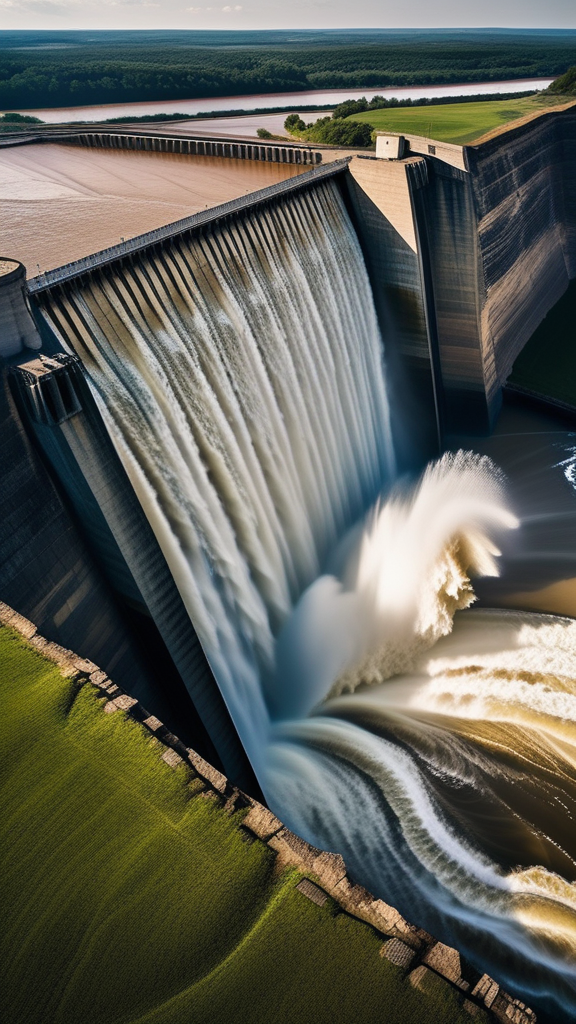
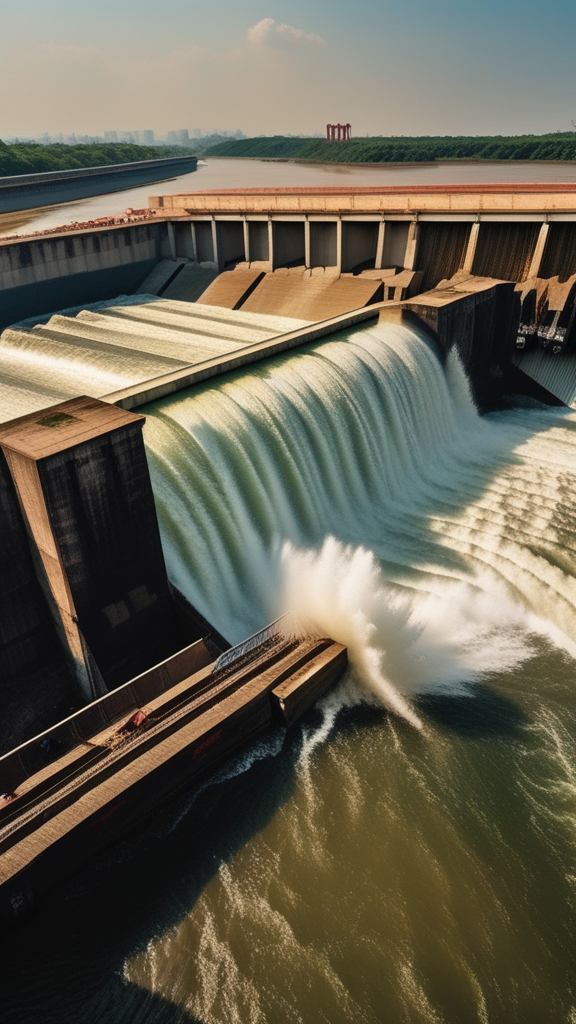
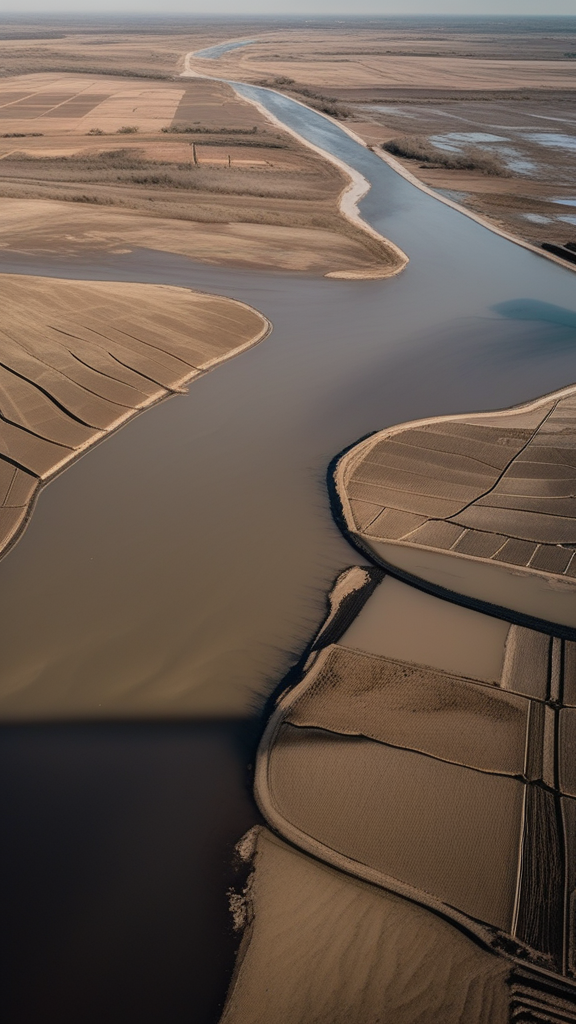
Massive forces build beneath towering dam walls before disaster strikes. Water overtopping the Banqiao Dam breaches its barriers with unstoppable force. The flood wave surges violently, pulling debris and eroding riverbanks downstream. Inside the Teton Dam, internal erosion silently carves channels through the core. Hydraulic pressure rises above 1.2 megapascals, crushing the dam’s internal support until it ruptures catastrophically. The immense energy release reshapes the landscape, leaving areas abandoned and flooded. Follow for one real science fact every day.
🎨 Images (7)
Image 1 Image 2 Image 3 Image 4 Image 5 Image 6 Image 7
ℹ️ Details

Topic: Dam Failure Hydraulics

Created: 2026-01-25 10:11:32

Reviewed: 2026-01-25T08:50:36.404192

Confidence: 80%

Notes: [{"claim": "Hydraulic pressure rises above 1.2 megapascals, crushing the dam\u2019s internal support until it ruptures catastrophically", "explanation": "Hydraulic pressures within dams can vary widely depending on the dam's design, size, and materials. While pressures can reach or exceed 1.2 megapascals (about 12 bar or 174 psi) in some scenarios, stating that exceeding this specific pressure will crush the dam's internal support until catastrophic rupture is an oversimplification. Dam failures typically result from complex interactions including structural weaknesses, foundation issues, overtopping, or seismic events rather than a single pressure threshold. Additionally, internal supports are designed to withstand much higher pressures with safety factors included. | Concerns: The claim may mislead viewers into thinking there is a universal pressure threshold (1.2 MPa) that causes dam failure, ignoring the complexity of dam engineering and failure modes. It also anthropomorphizes the failure as 'crushing internal support until rupture,' which oversimplifies the failure mechanics.", "confidence": 0.8}]

Dam Failure Hydraulics

Rejected

Duration: 39.31s

Category: Tech Failures

Topic: Dam Failure Hydraulics

Created: 2026-01-25 10:11:32

Reviewed: 2026-01-25T08:50:36.404192

📝 Script

Massive forces build beneath towering dam walls before disaster strikes. Water overtopping the Banqiao Dam breaches its barriers with unstoppable force. The flood wave surges violently, pulling debris and eroding riverbanks downstream. Inside the Teton Dam, internal erosion silently carves channels through the core. Hydraulic pressure rises above 1.2 megapascals, crushing the dam’s internal support until it ruptures catastrophically. The immense energy release reshapes the landscape, leaving areas abandoned and flooded. Follow for one real science fact every day.

🔍 Fact Check

Status: Flagged for Review

[{"claim": "Hydraulic pressure rises above 1.2 megapascals, crushing the dam\u2019s internal support until it ruptures catastrophically", "explanation": "Hydraulic pressures within dams can vary widely depending on the dam's design, size, and materials. While pressures can reach or exceed 1.2 megapascals (about 12 bar or 174 psi) in some scenarios, stating that exceeding this specific pressure will crush the dam's internal support until catastrophic rupture is an oversimplification. Dam failures typically result from complex interactions including structural weaknesses, foundation issues, overtopping, or seismic events rather than a single pressure threshold. Additionally, internal supports are designed to withstand much higher pressures with safety factors included. | Concerns: The claim may mislead viewers into thinking there is a universal pressure threshold (1.2 MPa) that causes dam failure, ignoring the complexity of dam engineering and failure modes. It also anthropomorphizes the failure as 'crushing internal support until rupture,' which oversimplifies the failure mechanics.", "confidence": 0.8}]

🎨 Generated Images (7)

📊 Confidence Score

80.0%