← Back Approved

← Back to Dashboard

Grain Silo Explosions

45s Tech Failures ⚠️ Flagged
📝 Script
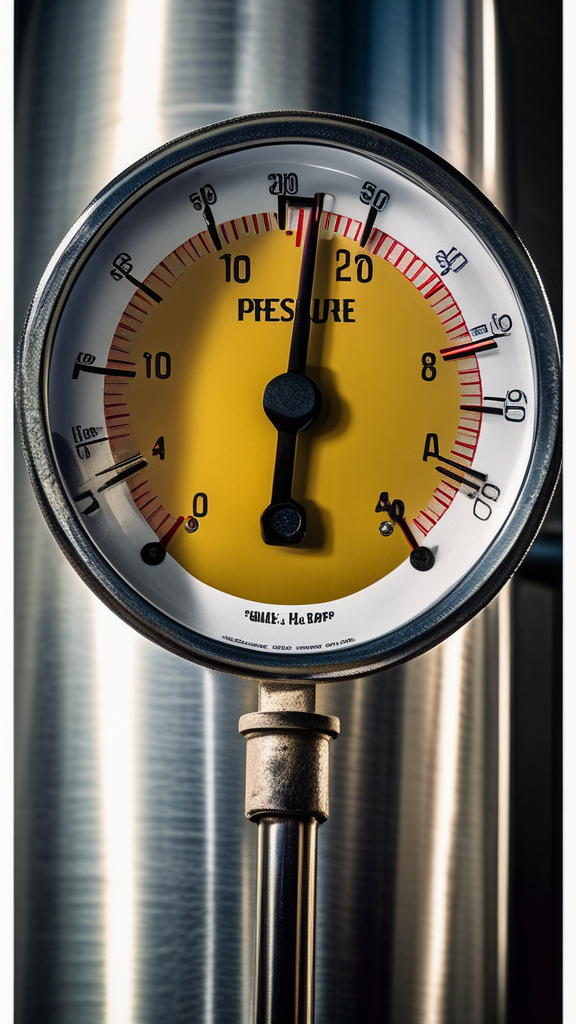
Pressure inside grain silos builds toward a critical breaking point. The buildup starts slowly, but the air becomes charged with combustible dust before ignition. At the Westwego Grain Elevator Explosion, grain dust ignites and explodes, releasing a fiery blast that ruptures the silo walls violently. The pressure wave from the blast tightens and shatters the structure with over 100 kPa of force. The Imperial Sugar Refinery Explosion spins a devastating 10-bar pressure wave, collapsing steel and concrete alike. These blasts unleash energy that transforms entire industrial sites into abandoned, unsafe ruins. Follow for one real science fact every day.
🎨 Images (1)
Image 1
ℹ️ Details

Topic: Grain Silo Explosions

Created: 2026-01-20 10:07:09

Reviewed: 2026-01-20T07:49:03.912850

Confidence: 90%

YouTube: ✅ Uploaded - View Video

Uploaded at: 2026-01-20T09:30:04.510674

Notes: [{"claim": "The Imperial Sugar Refinery Explosion spins a devastating 10-bar pressure wave, collapsing steel and concrete alike", "explanation": "The Imperial Sugar Refinery explosion in 2008 was a devastating dust explosion caused by combustible sugar dust igniting and propagating rapidly. However, the claim that it generated a 10-bar (approximately 145 psi) pressure wave capable of collapsing steel and concrete is an exaggeration. Typical dust explosions produce overpressures in the range of 0.5 to 10 psi, with severe structural damage occurring at much lower pressures than 10 bar. A 10-bar pressure wave is more characteristic of high explosives, not dust explosions. While the explosion caused significant damage and fatalities, the pressure wave was not nearly that intense. | Concerns: The claim overstates the pressure magnitude by an order of magnitude or more, potentially misleading viewers about the nature and scale of dust explosions versus high explosives. It may cause misunderstanding about the structural resistance of steel and concrete and the typical pressures involved in industrial dust explosions.", "confidence": 0.9}]

Grain Silo Explosions

Approved

Duration: 44.88s

Category: Tech Failures

Topic: Grain Silo Explosions

Created: 2026-01-20 10:07:09

Reviewed: 2026-01-20T07:49:03.912850

YouTube: ✅ Uploaded - View Video

Uploaded at: 2026-01-20T09:30:04.510674

📝 Script

Pressure inside grain silos builds toward a critical breaking point. The buildup starts slowly, but the air becomes charged with combustible dust before ignition. At the Westwego Grain Elevator Explosion, grain dust ignites and explodes, releasing a fiery blast that ruptures the silo walls violently. The pressure wave from the blast tightens and shatters the structure with over 100 kPa of force. The Imperial Sugar Refinery Explosion spins a devastating 10-bar pressure wave, collapsing steel and concrete alike. These blasts unleash energy that transforms entire industrial sites into abandoned, unsafe ruins. Follow for one real science fact every day.

🔍 Fact Check

Status: Flagged for Review

[{"claim": "The Imperial Sugar Refinery Explosion spins a devastating 10-bar pressure wave, collapsing steel and concrete alike", "explanation": "The Imperial Sugar Refinery explosion in 2008 was a devastating dust explosion caused by combustible sugar dust igniting and propagating rapidly. However, the claim that it generated a 10-bar (approximately 145 psi) pressure wave capable of collapsing steel and concrete is an exaggeration. Typical dust explosions produce overpressures in the range of 0.5 to 10 psi, with severe structural damage occurring at much lower pressures than 10 bar. A 10-bar pressure wave is more characteristic of high explosives, not dust explosions. While the explosion caused significant damage and fatalities, the pressure wave was not nearly that intense. | Concerns: The claim overstates the pressure magnitude by an order of magnitude or more, potentially misleading viewers about the nature and scale of dust explosions versus high explosives. It may cause misunderstanding about the structural resistance of steel and concrete and the typical pressures involved in industrial dust explosions.", "confidence": 0.9}]

🎨 Generated Images (1)

📊 Confidence Score

90.0%