← Back Approved

← Back to Dashboard

Oil Spill Disaster Unfolds

50s Tech Failures ⚠️ Flagged
📝 Script
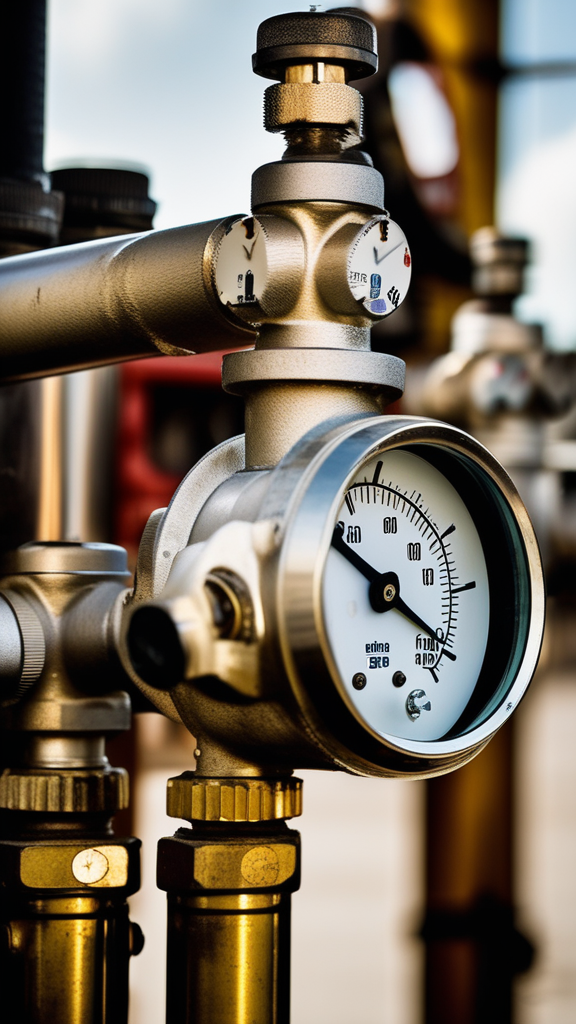
Pressure builds beneath the ocean floor, pushing equipment to its breaking point, similar to conditions before the Deepwater Horizon Oil Spill. Before the safety threshold is exceeded, tension in the system rapidly rises toward failure. The blowout preventer buckles under 15,000 psi, rupturing and releasing a massive oil surge. Oil crashes onto the ocean surface, forming large patches that disrupt marine habitats, reminiscent of the Exxon Valdez Oil Spill's impact. Meanwhile, 11 million gallons of crude oil pour into pristine waters, suffocating marine life and staining the coastline. The immense scale and pressure of these spills transform ecosystems, leaving areas abandoned by humans for years. Follow for one real science fact every day.
🎨 Images (1)
Image 1
ℹ️ Details

Topic: Oil Spill Dispersion

Created: 2026-01-19 10:06:59

Reviewed: 2026-01-19T08:25:06.595215

Confidence: 90%

YouTube: ✅ Uploaded - View Video

Uploaded at: 2026-01-19T09:00:05.347404

Notes: [{"claim": "The blowout preventer buckles under 15,000 psi, rupturing and releasing a massive oil surge", "explanation": "Blowout preventers (BOPs) are designed to withstand extremely high pressures, often exceeding 15,000 psi, without buckling or rupturing. While BOP failures have occurred historically, they typically result from mechanical malfunction, improper maintenance, or design flaws rather than simply buckling under a specific pressure threshold like 15,000 psi. The claim that the BOP buckles at 15,000 psi and ruptures causing a massive oil surge oversimplifies the failure mechanism and may exaggerate the pressure at which failure occurs. | Concerns: The claim could mislead viewers into thinking BOPs fail simply due to pressure exceeding 15,000 psi, ignoring complex mechanical and operational factors. It also implies a sudden structural buckling failure, which is not the typical failure mode for BOPs. This oversimplification may distort understanding of blowout causes and safety measures.", "confidence": 0.9}]

Oil Spill Disaster Unfolds

Approved

Duration: 50.42s

Category: Tech Failures

Topic: Oil Spill Dispersion

Created: 2026-01-19 10:06:59

Reviewed: 2026-01-19T08:25:06.595215

YouTube: ✅ Uploaded - View Video

Uploaded at: 2026-01-19T09:00:05.347404

📝 Script

Pressure builds beneath the ocean floor, pushing equipment to its breaking point, similar to conditions before the Deepwater Horizon Oil Spill. Before the safety threshold is exceeded, tension in the system rapidly rises toward failure. The blowout preventer buckles under 15,000 psi, rupturing and releasing a massive oil surge. Oil crashes onto the ocean surface, forming large patches that disrupt marine habitats, reminiscent of the Exxon Valdez Oil Spill's impact. Meanwhile, 11 million gallons of crude oil pour into pristine waters, suffocating marine life and staining the coastline. The immense scale and pressure of these spills transform ecosystems, leaving areas abandoned by humans for years. Follow for one real science fact every day.

🔍 Fact Check

Status: Flagged for Review

[{"claim": "The blowout preventer buckles under 15,000 psi, rupturing and releasing a massive oil surge", "explanation": "Blowout preventers (BOPs) are designed to withstand extremely high pressures, often exceeding 15,000 psi, without buckling or rupturing. While BOP failures have occurred historically, they typically result from mechanical malfunction, improper maintenance, or design flaws rather than simply buckling under a specific pressure threshold like 15,000 psi. The claim that the BOP buckles at 15,000 psi and ruptures causing a massive oil surge oversimplifies the failure mechanism and may exaggerate the pressure at which failure occurs. | Concerns: The claim could mislead viewers into thinking BOPs fail simply due to pressure exceeding 15,000 psi, ignoring complex mechanical and operational factors. It also implies a sudden structural buckling failure, which is not the typical failure mode for BOPs. This oversimplification may distort understanding of blowout causes and safety measures.", "confidence": 0.9}]

🎨 Generated Images (1)

📊 Confidence Score

90.0%