← Back Approved

← Back to Dashboard

Friction’s Hidden Limits

40s Everyday Physics ⚠️ Flagged
📝 Script
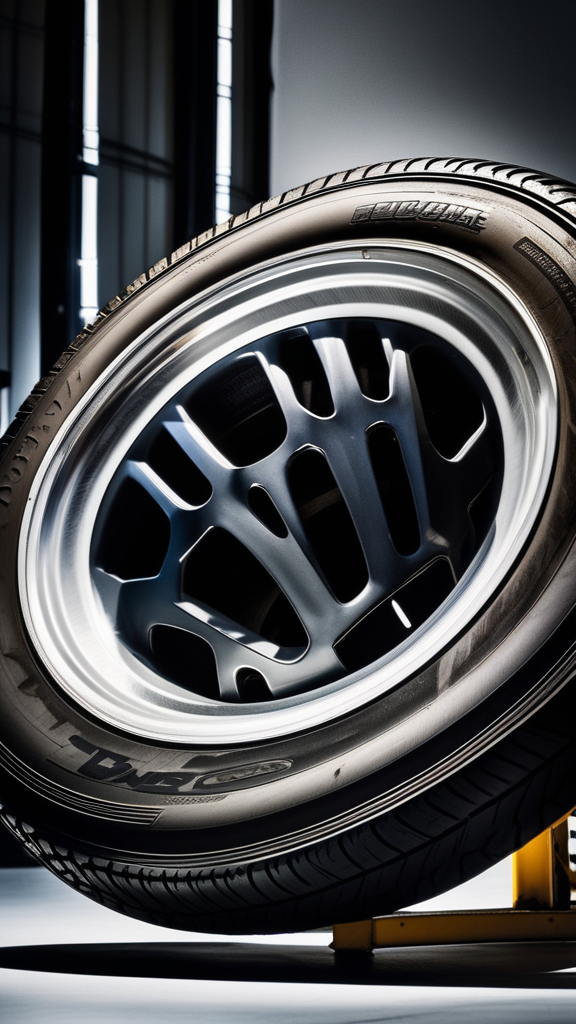
Pressure builds silently beneath a tire, pushing materials to their limits. The fight against friction starts as surfaces lock and heat rises. The Michelin X Tweel spins under crushing pressure, resisting frictional heat without damage. Meanwhile, Teflon’s low Coefficient of Friction lets surfaces glide smoothly with little friction. Frictional force collapses on Teflon, preventing heat buildup and enabling continuous sliding. At pressures over 1,000 psi, the tire withstands intense energy, protecting performance under extremes. Follow for one real science fact every day!
🎨 Images (1)
Image 1
ℹ️ Details

Topic: Friction

Created: 2026-01-18 10:03:22

Reviewed: 2026-01-18T09:21:51.429974

Confidence: 80%

YouTube: ✅ Uploaded - View Video

Uploaded at: 2026-01-18T11:00:05.293939

Notes: [{"claim": "At pressures over 1,000 psi, the tire withstands intense energy, protecting performance under extremes", "explanation": "Typical tire pressures for most vehicles range from about 30 to 50 psi, with some specialized tires (e.g., racing or aircraft tires) reaching higher pressures but generally well below 1,000 psi. Pressures over 1,000 psi are extremely high and uncommon for tires, and such high pressure does not inherently mean the tire can withstand intense energy or protect performance under extremes. The claim exaggerates typical tire pressure values and oversimplifies the relationship between pressure and tire performance. | Concerns: The claim could mislead viewers into thinking that tires operate safely or effectively at pressures over 1,000 psi, which is not standard or safe for typical tires. It also conflates pressure with energy absorption without clarifying the material and structural limits of tires.", "confidence": 0.8}]

Friction’s Hidden Limits

Approved

Duration: 39.60s

Category: Everyday Physics

Topic: Friction

Created: 2026-01-18 10:03:22

Reviewed: 2026-01-18T09:21:51.429974

YouTube: ✅ Uploaded - View Video

Uploaded at: 2026-01-18T11:00:05.293939

📝 Script

Pressure builds silently beneath a tire, pushing materials to their limits. The fight against friction starts as surfaces lock and heat rises. The Michelin X Tweel spins under crushing pressure, resisting frictional heat without damage. Meanwhile, Teflon’s low Coefficient of Friction lets surfaces glide smoothly with little friction. Frictional force collapses on Teflon, preventing heat buildup and enabling continuous sliding. At pressures over 1,000 psi, the tire withstands intense energy, protecting performance under extremes. Follow for one real science fact every day!

🔍 Fact Check

Status: Flagged for Review

[{"claim": "At pressures over 1,000 psi, the tire withstands intense energy, protecting performance under extremes", "explanation": "Typical tire pressures for most vehicles range from about 30 to 50 psi, with some specialized tires (e.g., racing or aircraft tires) reaching higher pressures but generally well below 1,000 psi. Pressures over 1,000 psi are extremely high and uncommon for tires, and such high pressure does not inherently mean the tire can withstand intense energy or protect performance under extremes. The claim exaggerates typical tire pressure values and oversimplifies the relationship between pressure and tire performance. | Concerns: The claim could mislead viewers into thinking that tires operate safely or effectively at pressures over 1,000 psi, which is not standard or safe for typical tires. It also conflates pressure with energy absorption without clarifying the material and structural limits of tires.", "confidence": 0.8}]

🎨 Generated Images (1)

📊 Confidence Score

80.0%