← Back Rejected

← Back to Dashboard

Deadly Bite Unleashed

39s Dangerous Animals ⚠️ Flagged
📝 Script
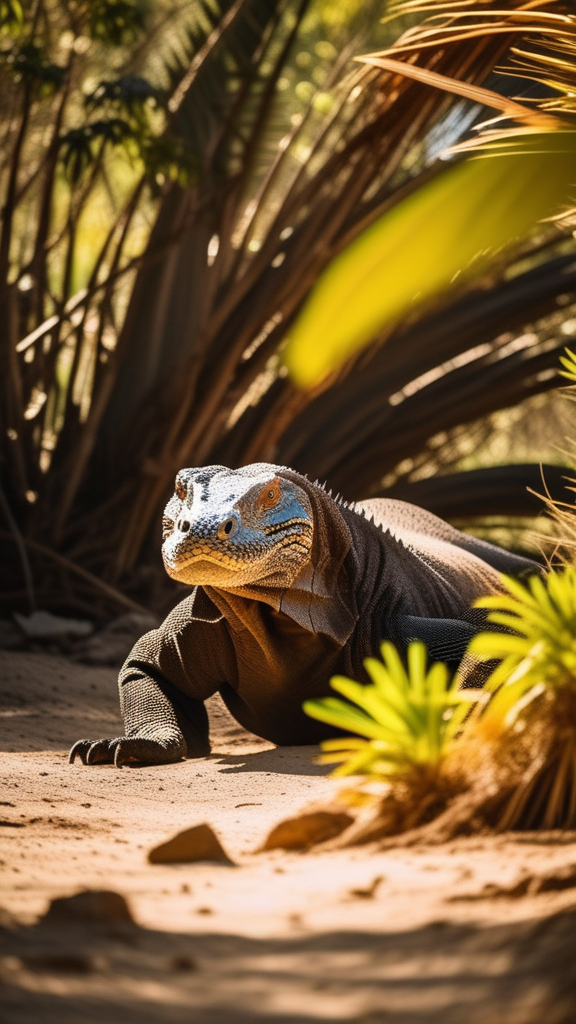
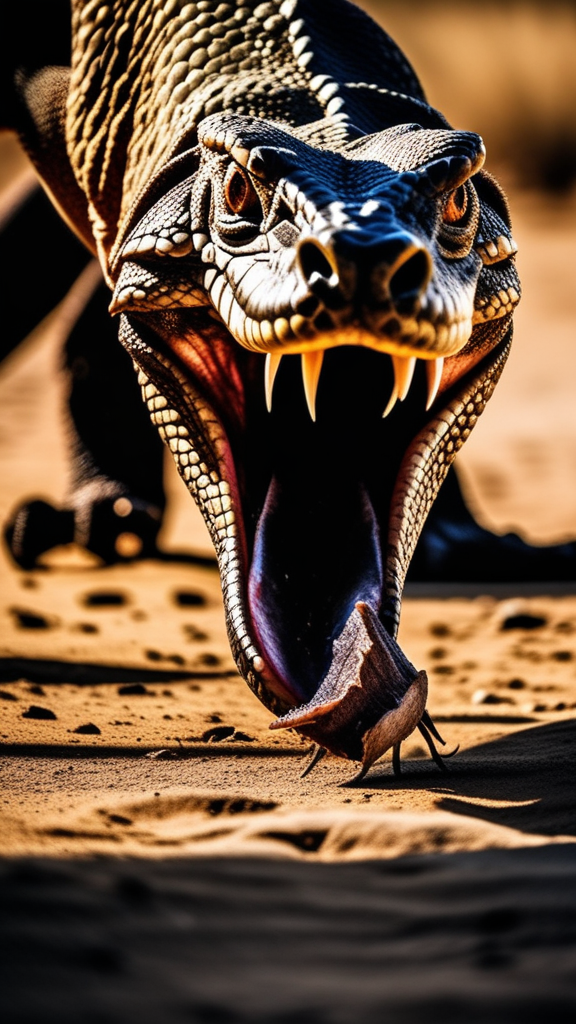
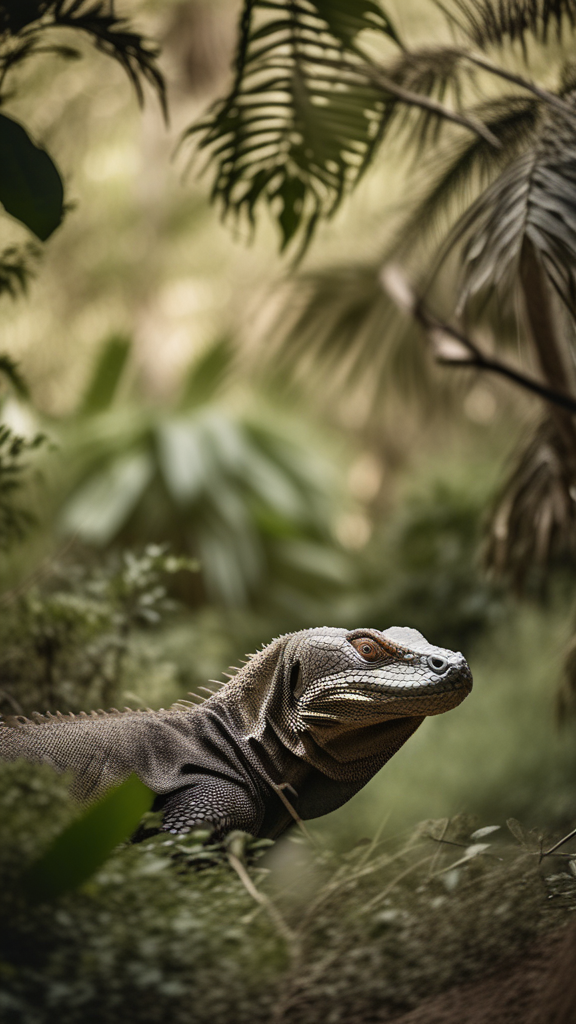
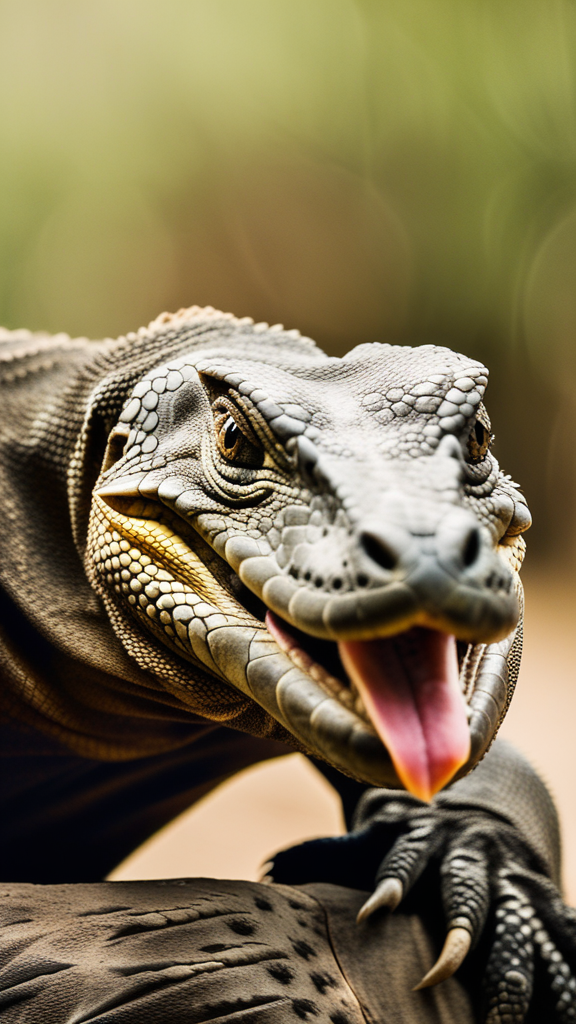
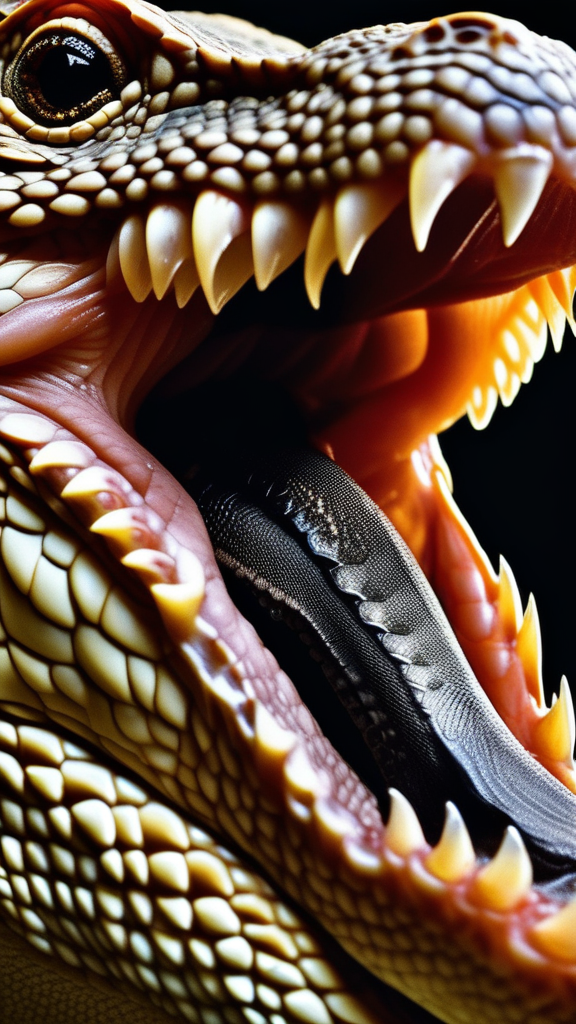
The deadliest part of the Komodo Dragon is invisible. Its lethal effect starts long before the prey falls. Venom glands release up to 50 milligrams of toxin into the bloodstream. This toxin disrupts blood flow by triggering anticoagulation and causes shock that collapses the victim’s system. On Komodo Island, the giant lizard grows up to 3 meters, stalking dense terrain where venomous bites cause fatal infections. This unstoppable bite seals the prey’s fate. Here’s the science behind the Komodo dragon’s venomous bite. Follow for one real science fact every day.
🎨 Images (8)
Image 1 Image 2 Image 3 Image 4 Image 5 Image 6 Image 7 Image 8
ℹ️ Details

Topic: Komodo Dragon Bite

Created: 2026-01-11 10:03:27

Reviewed: 2026-01-11T09:25:21.708304

Confidence: 80%

Notes: [{"claim": "Venom glands release up to 50 milligrams of toxin into the bloodstream", "explanation": "Komodo dragons do have venom glands that secrete toxins, but the amount of venom delivered is not well quantified in milligrams, and 50 milligrams is likely an overestimation. Scientific studies have shown that their venom contains anticoagulants and other compounds that aid in subduing prey, but precise venom volume or toxin mass per bite is not clearly established. Additionally, the venom is delivered through saliva mixed with bacteria rather than a direct injection like snakes, so the claim about venom glands releasing a specific toxin mass into the bloodstream is misleading. | Concerns: The claim may exaggerate the amount of venom delivered and misrepresent how Komodo dragon venom is delivered, potentially misleading viewers to think it functions like snake venom injections with precise toxin doses.", "confidence": 0.8}]

Deadly Bite Unleashed

Rejected

Duration: 39.00s

Category: Dangerous Animals

Topic: Komodo Dragon Bite

Created: 2026-01-11 10:03:27

Reviewed: 2026-01-11T09:25:21.708304

📝 Script

The deadliest part of the Komodo Dragon is invisible. Its lethal effect starts long before the prey falls. Venom glands release up to 50 milligrams of toxin into the bloodstream. This toxin disrupts blood flow by triggering anticoagulation and causes shock that collapses the victim’s system. On Komodo Island, the giant lizard grows up to 3 meters, stalking dense terrain where venomous bites cause fatal infections. This unstoppable bite seals the prey’s fate. Here’s the science behind the Komodo dragon’s venomous bite. Follow for one real science fact every day.

🔍 Fact Check

Status: Flagged for Review

[{"claim": "Venom glands release up to 50 milligrams of toxin into the bloodstream", "explanation": "Komodo dragons do have venom glands that secrete toxins, but the amount of venom delivered is not well quantified in milligrams, and 50 milligrams is likely an overestimation. Scientific studies have shown that their venom contains anticoagulants and other compounds that aid in subduing prey, but precise venom volume or toxin mass per bite is not clearly established. Additionally, the venom is delivered through saliva mixed with bacteria rather than a direct injection like snakes, so the claim about venom glands releasing a specific toxin mass into the bloodstream is misleading. | Concerns: The claim may exaggerate the amount of venom delivered and misrepresent how Komodo dragon venom is delivered, potentially misleading viewers to think it functions like snake venom injections with precise toxin doses.", "confidence": 0.8}]

🎨 Generated Images (8)

📊 Confidence Score

80.0%