← Back Pending Review

← Back to Dashboard

Sundew's Rapid Snap Trap

42s Extreme Plants ⚠️ Flagged
📝 Script
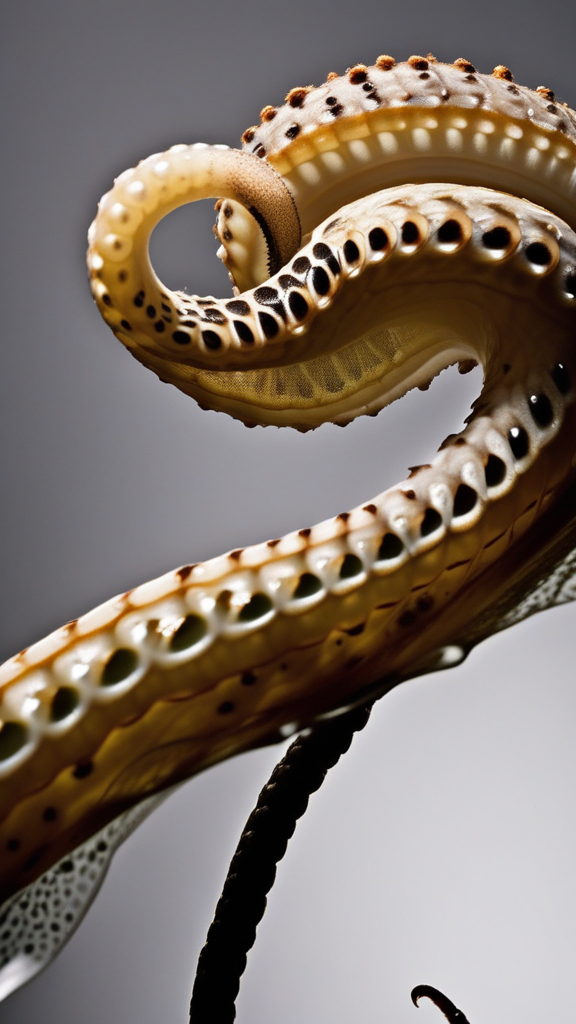
Drosera glanduligera’s snap-tentacles explode outward suddenly. Before the insect reacts, the trap triggers a chain reaction. The tentacle coils, surges, catapulting prey onto the sticky center. An insect skids at about 0.07 meters per second, leaving a faint dew trail. Drosera capensis responds differently: leaves slowly curl inward, enfolding prey and tightening the trap. As the trap reshapes, it increases gland contact with the prey, turning the leaf into a digestive surface. These sundews operate at astonishing scales, where one movement can reshape a micro-landscape in moments. Follow for one real science fact every day.
🎨 Images (7)
Image 1 Image 2 Image 3 Image 4 Image 5 Image 6 Image 7
ℹ️ Details

Topic: Sundew Carnivorous Trap

Created: 2026-03-17 09:19:29

Confidence: 70%

Notes: [{"claim": "An insect skids at about 0.07 meters per second, leaving a faint dew trail", "explanation": "Insects do not typically 'skid' at a specific speed such as 0.07 m/s; their movement varies widely depending on species and context. Sundew plants trap insects using sticky mucilage droplets that can leave a dew-like trail, but the description of an insect skidding and leaving a faint dew trail is somewhat misleading. The 'dew trail' is actually the sticky mucilage secreted by the plant, not a trail left by the insect's movement. The speed value given (0.07 m/s) is plausible as a slow insect movement speed but is not a standard or well-documented figure related to skidding or trapping on sundews. | Concerns: The claim may mislead viewers into thinking insects skid on sundew surfaces at a consistent speed and leave a dew trail themselves, rather than the plant's mucilage being responsible for trapping. The numerical speed lacks clear scientific backing and context.", "confidence": 0.7}]

Sundew's Rapid Snap Trap

Pending Review

Duration: 41.86s

Category: Extreme Plants

Topic: Sundew Carnivorous Trap

Created: 2026-03-17 09:19:29

📝 Script

Drosera glanduligera’s snap-tentacles explode outward suddenly. Before the insect reacts, the trap triggers a chain reaction. The tentacle coils, surges, catapulting prey onto the sticky center. An insect skids at about 0.07 meters per second, leaving a faint dew trail. Drosera capensis responds differently: leaves slowly curl inward, enfolding prey and tightening the trap. As the trap reshapes, it increases gland contact with the prey, turning the leaf into a digestive surface. These sundews operate at astonishing scales, where one movement can reshape a micro-landscape in moments. Follow for one real science fact every day.

🔍 Fact Check

Status: Flagged for Review

[{"claim": "An insect skids at about 0.07 meters per second, leaving a faint dew trail", "explanation": "Insects do not typically 'skid' at a specific speed such as 0.07 m/s; their movement varies widely depending on species and context. Sundew plants trap insects using sticky mucilage droplets that can leave a dew-like trail, but the description of an insect skidding and leaving a faint dew trail is somewhat misleading. The 'dew trail' is actually the sticky mucilage secreted by the plant, not a trail left by the insect's movement. The speed value given (0.07 m/s) is plausible as a slow insect movement speed but is not a standard or well-documented figure related to skidding or trapping on sundews. | Concerns: The claim may mislead viewers into thinking insects skid on sundew surfaces at a consistent speed and leave a dew trail themselves, rather than the plant's mucilage being responsible for trapping. The numerical speed lacks clear scientific backing and context.", "confidence": 0.7}]

🎨 Generated Images (7)

📊 Confidence Score

70.0%