← Back Approved

← Back to Dashboard

Why GE90 Jet Engines Shake The Ground

46s Infrastructure Science Verified
📝 Script
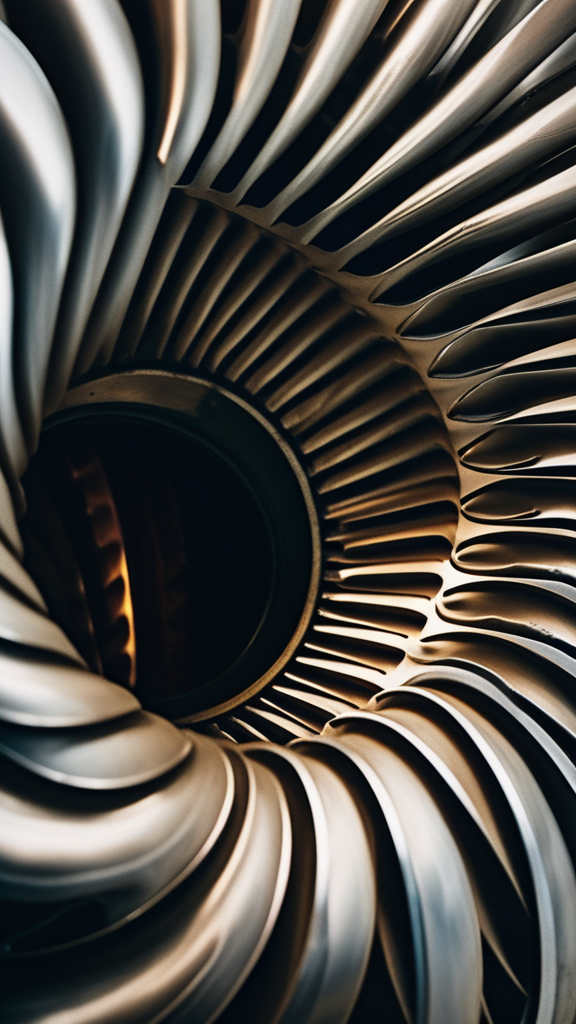
A jet engine's roar shakes the ground and its exhaust blurs the sky. Before takeoff, forces inside the engine build far beyond wind or weather. As speed rises, a pressure front races at 340.3 m/s — Mach 1 — ripping air into a thin shock and unleashing a cracking boom. Air ahead of the engine tightens into a wall, then collapses as the jet surges. Inside the General Electric GE90 (GE90-115B variant), 115,000 pounds-force of thrust erupts from the rear, hurling searing exhaust backward, propelling the aircraft forward. That energy warps the air, shakes the ground, and leaves invisible turbulence for miles. Follow for one real science fact daily.
🎨 Images (7)
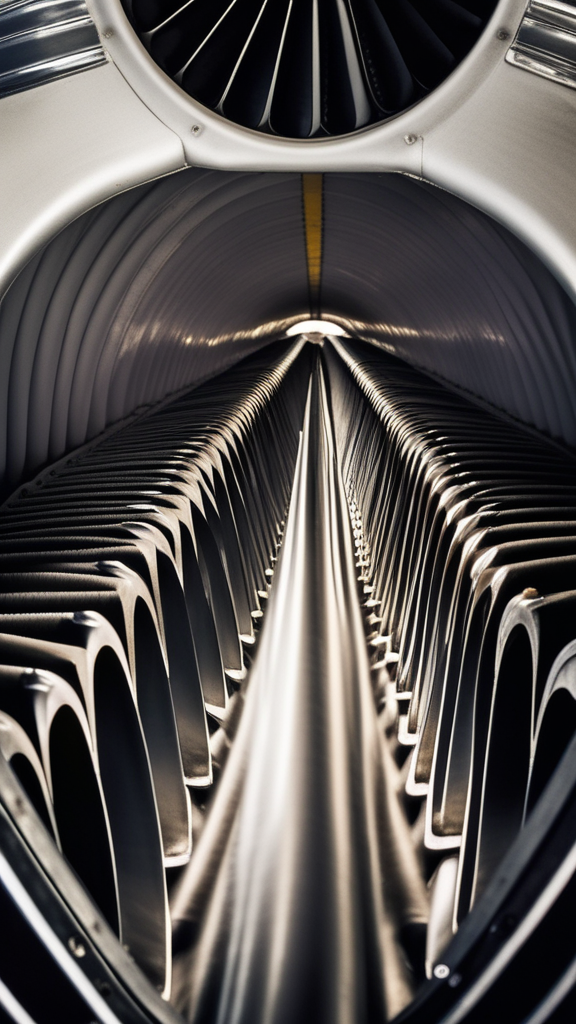
Image 1 Image 2 Image 3 Image 4 Image 5 Image 6 Image 7
ℹ️ Details

Topic: Jet Engine Physics

Created: 2026-03-14 09:13:28

Confidence: 88%

YouTube: ✅ Uploaded - View Video

Uploaded at: 2026-03-14T03:00:05.902067

Notes: []

Why GE90 Jet Engines Shake The Ground

Approved

Duration: 45.77s

Category: Infrastructure Science

Topic: Jet Engine Physics

Created: 2026-03-14 09:13:28

YouTube: ✅ Uploaded - View Video

Uploaded at: 2026-03-14T03:00:05.902067

📝 Script

A jet engine's roar shakes the ground and its exhaust blurs the sky. Before takeoff, forces inside the engine build far beyond wind or weather. As speed rises, a pressure front races at 340.3 m/s — Mach 1 — ripping air into a thin shock and unleashing a cracking boom. Air ahead of the engine tightens into a wall, then collapses as the jet surges. Inside the General Electric GE90 (GE90-115B variant), 115,000 pounds-force of thrust erupts from the rear, hurling searing exhaust backward, propelling the aircraft forward. That energy warps the air, shakes the ground, and leaves invisible turbulence for miles. Follow for one real science fact daily.

🔍 Fact Check

Status: Verified

[]

🎨 Generated Images (7)

📊 Confidence Score

88.3%