← Back Pending Review

← Back to Dashboard

The Real Reason The ISS Falls

40s Space Physics ⚠️ Flagged
📝 Script
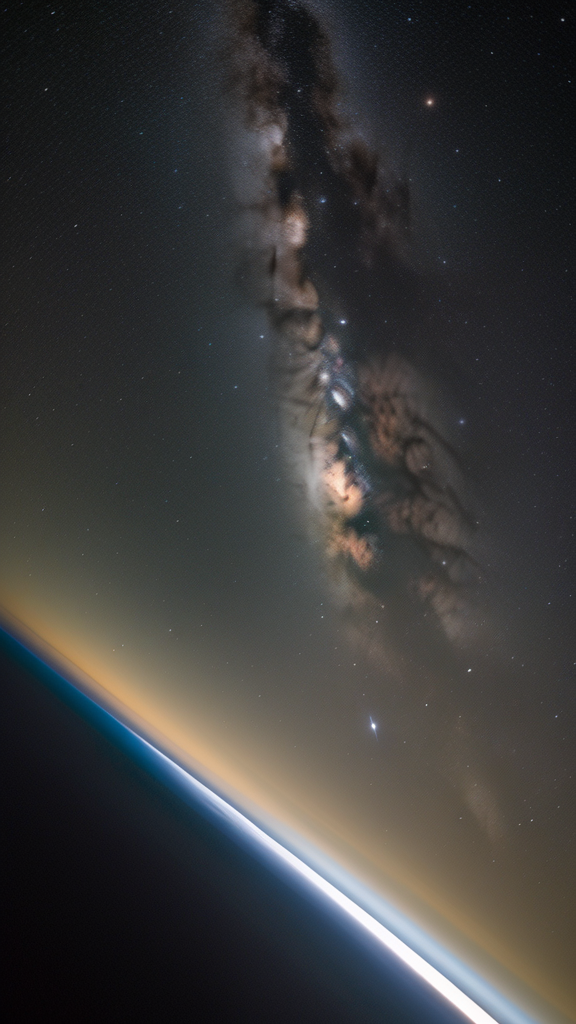
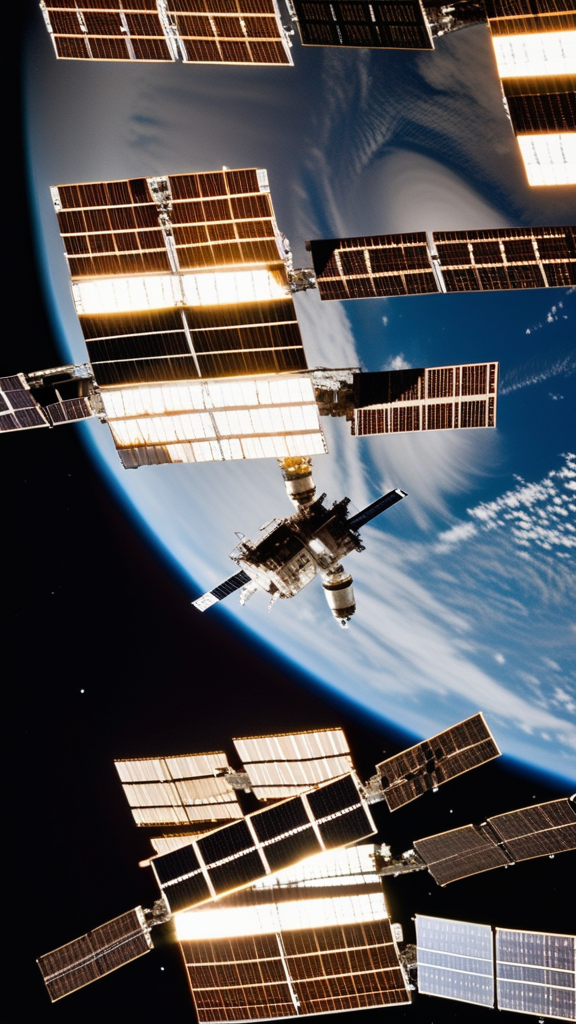
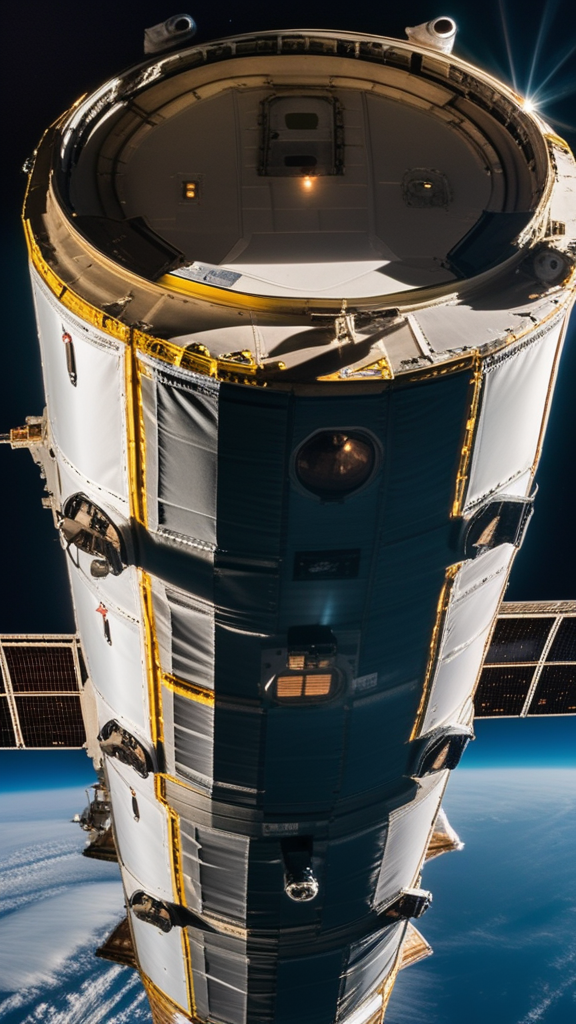
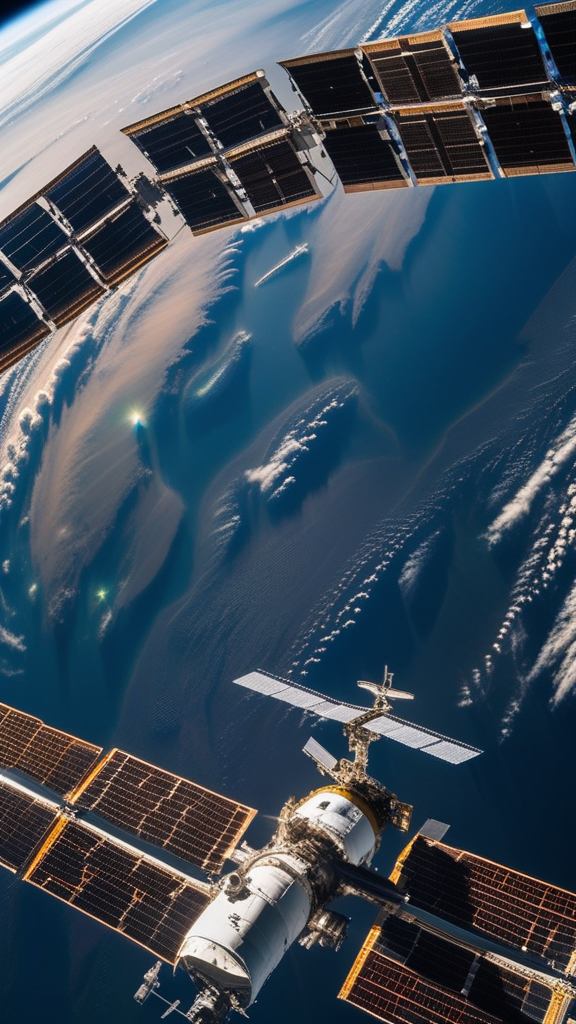
Most people think the International Space Station floats above Earth. But before it can coast, a hidden process begins dragging it down. At the Kármán line the thinning air means wings stop working, but faint molecules still pull at speeding objects. The modular ISS slices the sky at roughly 7.66 km/s while atmospheric drag tugs it lower each orbit. Brief reboost firings surge the ISS back upward and keep it from gradual collapse toward Earth. If corrections stop, altitude loss accelerates and the station would reach denser air, making conditions unsafe for humans. Follow for one real science fact every day.
🎨 Images (7)
Image 1 Image 2 Image 3 Image 4 Image 5 Image 6 Image 7
ℹ️ Details

Topic: ISS Orbital Decay

Created: 2026-03-14 09:05:38

Confidence: 80%

Notes: [{"claim": "Most people think the International Space Station floats above Earth", "explanation": "The claim that 'most people think the ISS floats above Earth' is a common misconception. In reality, the ISS is in low Earth orbit and is continuously falling towards Earth but moving forward fast enough to stay in orbit, creating a state of free fall that results in microgravity. It does not 'float' in the sense of being stationary or unsupported; it is constantly falling around Earth due to gravity. | Concerns: The phrase 'floats above Earth' can mislead viewers into thinking the ISS is stationary or unaffected by gravity, which is incorrect. This misconception can obscure understanding of orbital mechanics and the nature of microgravity experienced on the ISS.", "confidence": 0.8}]

The Real Reason The ISS Falls

Pending Review

Duration: 39.84s

Category: Space Physics

Topic: ISS Orbital Decay

Created: 2026-03-14 09:05:38

📝 Script

Most people think the International Space Station floats above Earth. But before it can coast, a hidden process begins dragging it down. At the Kármán line the thinning air means wings stop working, but faint molecules still pull at speeding objects. The modular ISS slices the sky at roughly 7.66 km/s while atmospheric drag tugs it lower each orbit. Brief reboost firings surge the ISS back upward and keep it from gradual collapse toward Earth. If corrections stop, altitude loss accelerates and the station would reach denser air, making conditions unsafe for humans. Follow for one real science fact every day.

🔍 Fact Check

Status: Flagged for Review

[{"claim": "Most people think the International Space Station floats above Earth", "explanation": "The claim that 'most people think the ISS floats above Earth' is a common misconception. In reality, the ISS is in low Earth orbit and is continuously falling towards Earth but moving forward fast enough to stay in orbit, creating a state of free fall that results in microgravity. It does not 'float' in the sense of being stationary or unsupported; it is constantly falling around Earth due to gravity. | Concerns: The phrase 'floats above Earth' can mislead viewers into thinking the ISS is stationary or unaffected by gravity, which is incorrect. This misconception can obscure understanding of orbital mechanics and the nature of microgravity experienced on the ISS.", "confidence": 0.8}]

🎨 Generated Images (7)

📊 Confidence Score

80.0%