← Back Pending Review

← Back to Dashboard

Why Osmium Cubes Dent Wood Deeper

44s Materials Science ⚠️ Flagged
📝 Script
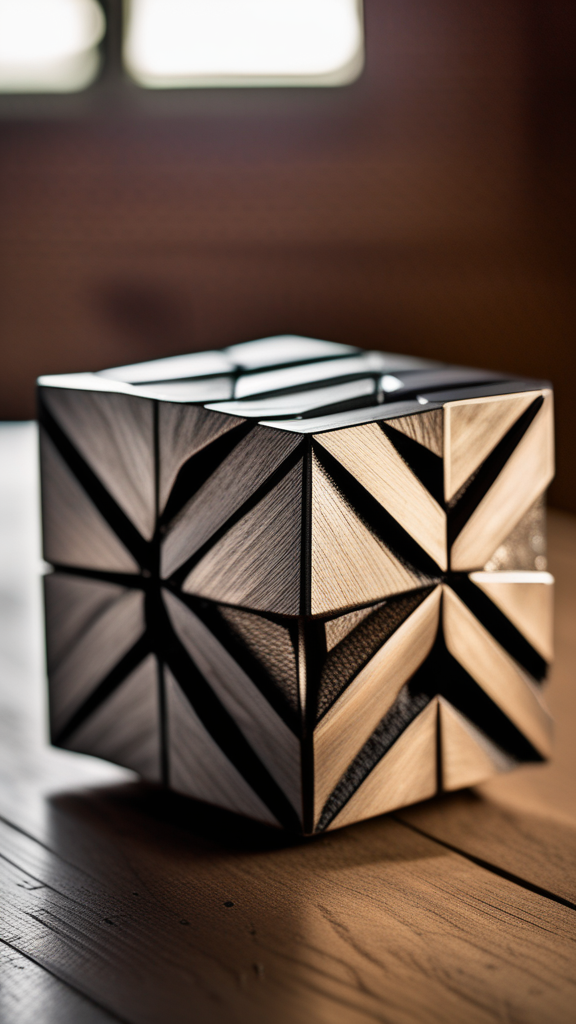
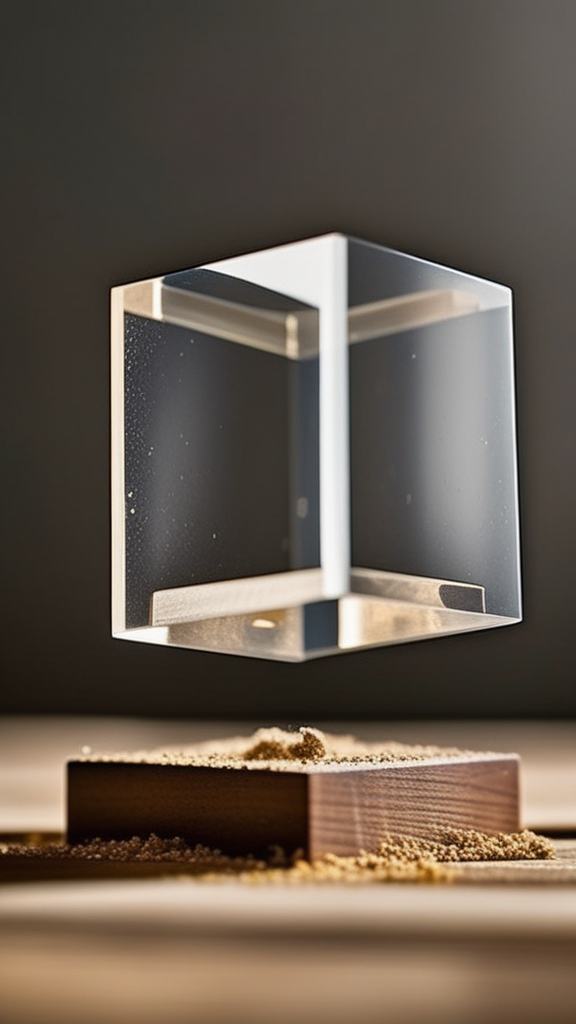
A fingertip-sized metal cube hits a wooden plank with surprising force. Before it recovers, a second nearly identical Iridium cube slams down, sliding slightly farther. The tiny cubes pack more mass into less space than almost any everyday material. As they settle, the scale needle jerks up from the sudden concentrated weight. Wood collapses where each cube lands, forming deep dents ordinary metals cannot match. Tiny packed-mass differences between the two cubes push the system to its limit, producing one dent slightly deeper. This density concentrates pressure into a pinpoint, storing more energy on impact than most materials can withstand over time. Follow for one real science fact every day.
🎨 Images (8)
Image 1 Image 2 Image 3 Image 4 Image 5 Image 6 Image 7 Image 8
ℹ️ Details

Topic: Osmium Density

Created: 2026-03-12 09:23:06

Confidence: 80%

Notes: [{"claim": "This density concentrates pressure into a pinpoint, storing more energy on impact than most materials can withstand over time", "explanation": "Osmium is the densest naturally occurring element, with a density around 22.6 g/cm\u00b3, which means it has a high mass per unit volume. However, the claim that this density 'concentrates pressure into a pinpoint' and 'stores more energy on impact than most materials can withstand over time' is misleading. Density alone does not concentrate pressure or store energy on impact; these depend on material properties like hardness, toughness, and elasticity. While osmium is very dense and hard, it is also brittle, and its ability to withstand impact energy over time is limited. The statement exaggerates the implications of osmium's density and could mislead viewers into thinking density directly correlates with impact energy storage or pressure concentration in a simplistic way. | Concerns: The claim conflates density with mechanical behavior under impact, which involves multiple material properties. It may mislead viewers to overestimate osmium's performance in impact resistance or energy absorption based solely on density.", "confidence": 0.8}]

Why Osmium Cubes Dent Wood Deeper

Pending Review

Duration: 43.97s

Category: Materials Science

Topic: Osmium Density

Created: 2026-03-12 09:23:06

📝 Script

A fingertip-sized metal cube hits a wooden plank with surprising force. Before it recovers, a second nearly identical Iridium cube slams down, sliding slightly farther. The tiny cubes pack more mass into less space than almost any everyday material. As they settle, the scale needle jerks up from the sudden concentrated weight. Wood collapses where each cube lands, forming deep dents ordinary metals cannot match. Tiny packed-mass differences between the two cubes push the system to its limit, producing one dent slightly deeper. This density concentrates pressure into a pinpoint, storing more energy on impact than most materials can withstand over time. Follow for one real science fact every day.

🔍 Fact Check

Status: Flagged for Review

[{"claim": "This density concentrates pressure into a pinpoint, storing more energy on impact than most materials can withstand over time", "explanation": "Osmium is the densest naturally occurring element, with a density around 22.6 g/cm\u00b3, which means it has a high mass per unit volume. However, the claim that this density 'concentrates pressure into a pinpoint' and 'stores more energy on impact than most materials can withstand over time' is misleading. Density alone does not concentrate pressure or store energy on impact; these depend on material properties like hardness, toughness, and elasticity. While osmium is very dense and hard, it is also brittle, and its ability to withstand impact energy over time is limited. The statement exaggerates the implications of osmium's density and could mislead viewers into thinking density directly correlates with impact energy storage or pressure concentration in a simplistic way. | Concerns: The claim conflates density with mechanical behavior under impact, which involves multiple material properties. It may mislead viewers to overestimate osmium's performance in impact resistance or energy absorption based solely on density.", "confidence": 0.8}]

🎨 Generated Images (8)

📊 Confidence Score

80.0%