← Back Pending Review

← Back to Dashboard

Why Ferrofluids Lose Magnetism Instantly

50s Materials Science ⚠️ Flagged
📝 Script
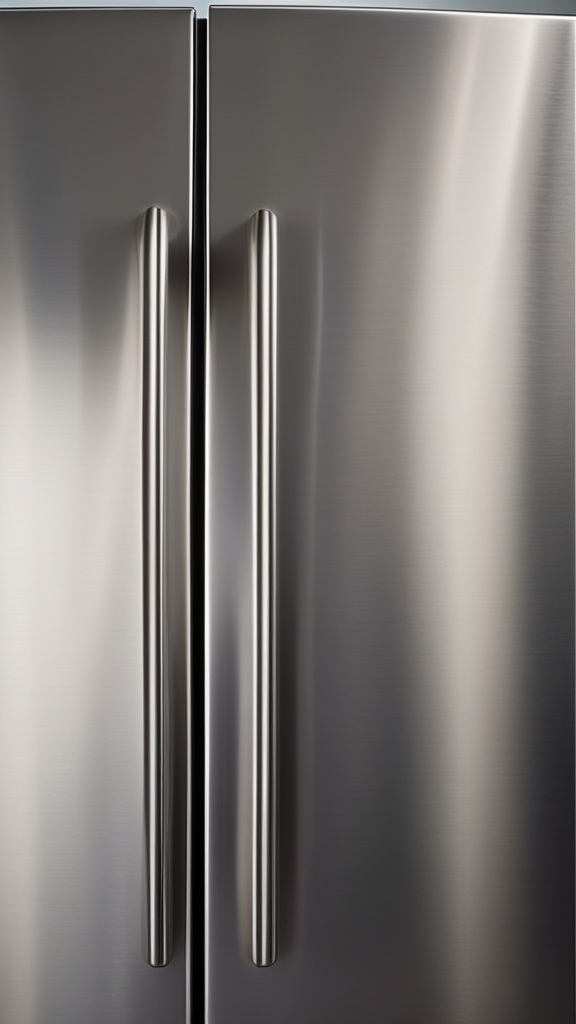
Permanent magnets in speakers or fridge doors never flow, yet ferrofluids form strange patterns near a magnet. Before that motion starts, a hidden limit in solid Magnetite (Fe3O4) must be overcome. Rising temperature makes aligned magnetic domains in the solid unravel. At about 858 K, collective magnetization collapses as spins scramble into disorder. Magnetite nanoparticles used in ferrofluids (≈10 nm core) jitter and flip magnetic moments at room temperature. Those flips let the ferrofluid pattern under a field but prevent residual magnetism once the field is removed. Ferrofluids stay responsive yet lack permanent magnetic memory, so applications need continuous energy input. Follow for one real science fact every day.
🎨 Images (8)
Image 1 Image 2 Image 3 Image 4 Image 5 Image 6 Image 7 Image 8
ℹ️ Details

Topic: Ferrofluid

Created: 2026-03-11 09:24:57

Confidence: 80%

Notes: [{"claim": "Before that motion starts, a hidden limit in solid Magnetite (Fe3O4) must be overcome", "explanation": "The claim that a 'hidden limit' in solid magnetite (Fe3O4) must be overcome before motion starts is vague and not a standard description in ferrofluid physics. Magnetite particles in ferrofluids are typically nanoscale and suspended in a carrier fluid; their magnetic response involves overcoming magnetic anisotropy energy barriers or interparticle interactions, but these are well-characterized energy thresholds rather than 'hidden limits.' The phrase 'hidden limit' is ambiguous and could mislead by implying unknown or mysterious barriers. Additionally, ferrofluid motion depends on external magnetic fields and fluid dynamics rather than intrinsic solid-state limits in bulk magnetite. | Concerns: The wording 'hidden limit' is unclear and potentially misleading. It may cause confusion by implying unknown or mysterious physical barriers in solid magnetite, whereas the relevant physics involves known magnetic anisotropy and particle-fluid interactions. The claim lacks specificity and could misrepresent the mechanisms governing ferrofluid behavior.", "confidence": 0.8}]

Why Ferrofluids Lose Magnetism Instantly

Pending Review

Duration: 49.97s

Category: Materials Science

Topic: Ferrofluid

Created: 2026-03-11 09:24:57

📝 Script

Permanent magnets in speakers or fridge doors never flow, yet ferrofluids form strange patterns near a magnet. Before that motion starts, a hidden limit in solid Magnetite (Fe3O4) must be overcome. Rising temperature makes aligned magnetic domains in the solid unravel. At about 858 K, collective magnetization collapses as spins scramble into disorder. Magnetite nanoparticles used in ferrofluids (≈10 nm core) jitter and flip magnetic moments at room temperature. Those flips let the ferrofluid pattern under a field but prevent residual magnetism once the field is removed. Ferrofluids stay responsive yet lack permanent magnetic memory, so applications need continuous energy input. Follow for one real science fact every day.

🔍 Fact Check

Status: Flagged for Review

[{"claim": "Before that motion starts, a hidden limit in solid Magnetite (Fe3O4) must be overcome", "explanation": "The claim that a 'hidden limit' in solid magnetite (Fe3O4) must be overcome before motion starts is vague and not a standard description in ferrofluid physics. Magnetite particles in ferrofluids are typically nanoscale and suspended in a carrier fluid; their magnetic response involves overcoming magnetic anisotropy energy barriers or interparticle interactions, but these are well-characterized energy thresholds rather than 'hidden limits.' The phrase 'hidden limit' is ambiguous and could mislead by implying unknown or mysterious barriers. Additionally, ferrofluid motion depends on external magnetic fields and fluid dynamics rather than intrinsic solid-state limits in bulk magnetite. | Concerns: The wording 'hidden limit' is unclear and potentially misleading. It may cause confusion by implying unknown or mysterious physical barriers in solid magnetite, whereas the relevant physics involves known magnetic anisotropy and particle-fluid interactions. The claim lacks specificity and could misrepresent the mechanisms governing ferrofluid behavior.", "confidence": 0.8}]

🎨 Generated Images (8)

📊 Confidence Score

80.0%