← Back Pending Review

← Back to Dashboard

Why Ramazzottius Varieornatus Survives Crushing Forces

44s Animals Extreme ⚠️ Flagged
📝 Script
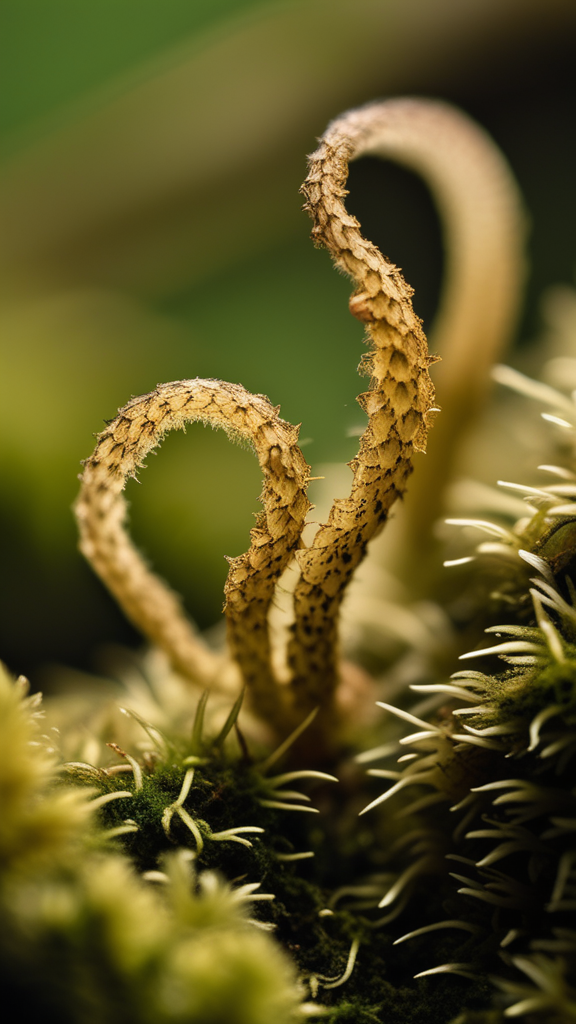
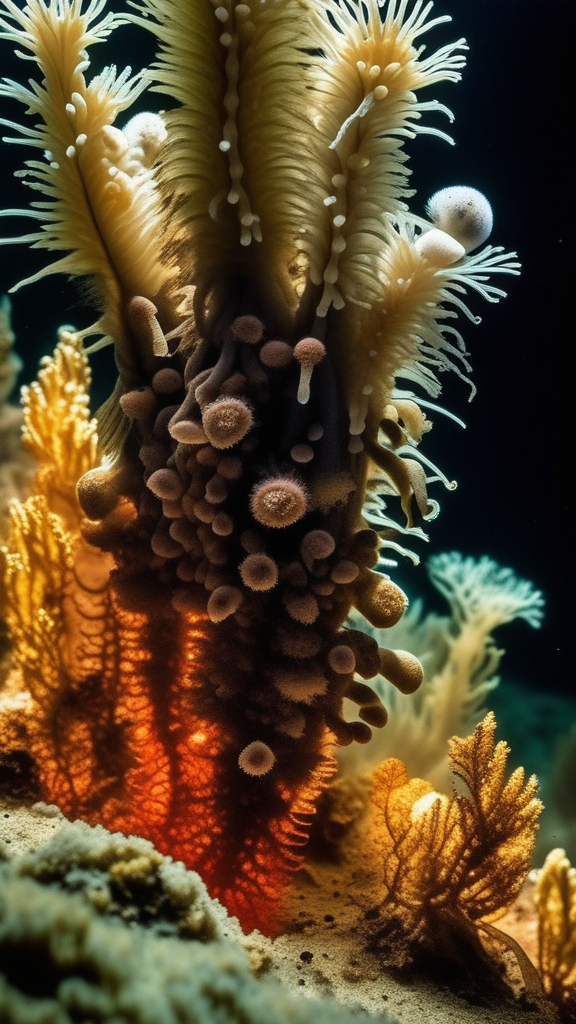
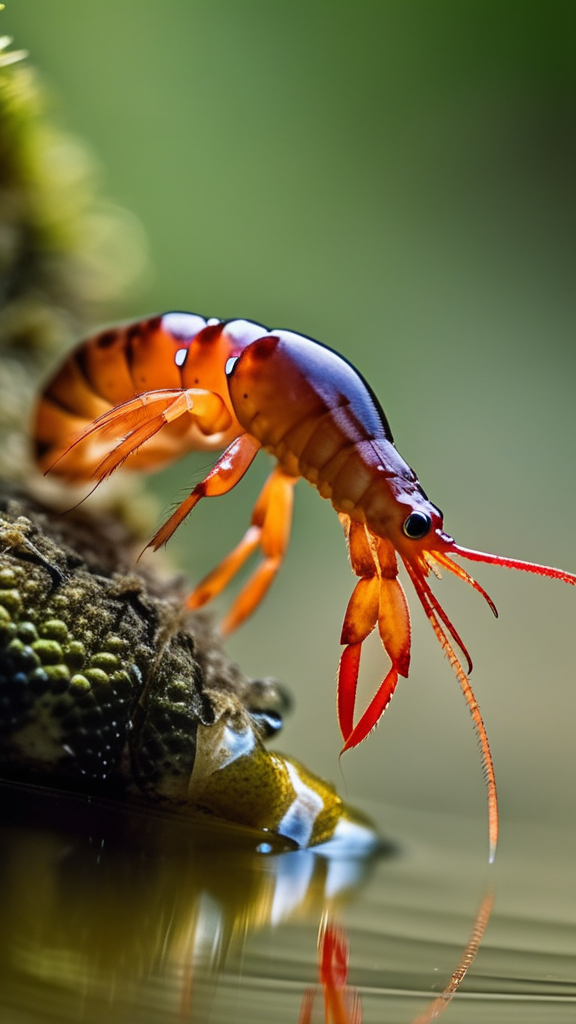
Boiling water burns human skin instantly, but some tiny animals endure far more. Before hitting their limits, these creatures survive by radically changing internally. Ramazzottius varieornatus collapses into a dried speck as the surrounding water squeezes from all sides. Its tissues freeze in suspended animation as compressive forces ramp to 600 MPa. Nearby, Alpheus heterochaelis lunges, snapping its oversized claw to hurl a high-speed jet. A bubble forms then collapses, exploding into a flash of light and a shockwave through the water. These extremes would be unsafe for humans, but to animals they open an invisible realm of survival. Follow for one real science fact every day.
🎨 Images (8)
Image 1 Image 2 Image 3 Image 4 Image 5 Image 6 Image 7 Image 8
ℹ️ Details

Topic: Parasites and Extremophiles

Created: 2026-03-11 09:17:11

Confidence: 80%

Notes: [{"claim": "Its tissues freeze in suspended animation as compressive forces ramp to 600 MPa", "explanation": "While some extremophiles and parasites can survive extreme conditions including freezing and high pressure, the claim that their tissues 'freeze in suspended animation as compressive forces ramp to 600 MPa' is misleading. Biological tissues typically do not freeze under high pressure; in fact, high pressure tends to suppress ice formation. Pressures of 600 MPa (about 6000 atmospheres) are extremely high and can cause protein denaturation and cellular damage rather than preservation by freezing. Some organisms can survive high pressures, but the mechanism is not simply freezing under compression. The term 'suspended animation' is also loosely used and not well-defined in this context. | Concerns: The claim conflates freezing with high-pressure effects, which are distinct physical phenomena. It may mislead viewers into thinking that tissues freeze due to pressure alone, which is inaccurate. The numerical value of 600 MPa is plausible as an extreme pressure but does not correspond to typical biological freezing conditions.", "confidence": 0.8}]

Why Ramazzottius Varieornatus Survives Crushing Forces

Pending Review

Duration: 43.94s

Category: Animals Extreme

Topic: Parasites and Extremophiles

Created: 2026-03-11 09:17:11

📝 Script

Boiling water burns human skin instantly, but some tiny animals endure far more. Before hitting their limits, these creatures survive by radically changing internally. Ramazzottius varieornatus collapses into a dried speck as the surrounding water squeezes from all sides. Its tissues freeze in suspended animation as compressive forces ramp to 600 MPa. Nearby, Alpheus heterochaelis lunges, snapping its oversized claw to hurl a high-speed jet. A bubble forms then collapses, exploding into a flash of light and a shockwave through the water. These extremes would be unsafe for humans, but to animals they open an invisible realm of survival. Follow for one real science fact every day.

🔍 Fact Check

Status: Flagged for Review

[{"claim": "Its tissues freeze in suspended animation as compressive forces ramp to 600 MPa", "explanation": "While some extremophiles and parasites can survive extreme conditions including freezing and high pressure, the claim that their tissues 'freeze in suspended animation as compressive forces ramp to 600 MPa' is misleading. Biological tissues typically do not freeze under high pressure; in fact, high pressure tends to suppress ice formation. Pressures of 600 MPa (about 6000 atmospheres) are extremely high and can cause protein denaturation and cellular damage rather than preservation by freezing. Some organisms can survive high pressures, but the mechanism is not simply freezing under compression. The term 'suspended animation' is also loosely used and not well-defined in this context. | Concerns: The claim conflates freezing with high-pressure effects, which are distinct physical phenomena. It may mislead viewers into thinking that tissues freeze due to pressure alone, which is inaccurate. The numerical value of 600 MPa is plausible as an extreme pressure but does not correspond to typical biological freezing conditions.", "confidence": 0.8}]

🎨 Generated Images (8)

📊 Confidence Score

80.0%