← Back Pending Review

← Back to Dashboard

Why Peregrine Falcons Speed Up Falling

45s Animals Extreme ⚠️ Flagged
📝 Script
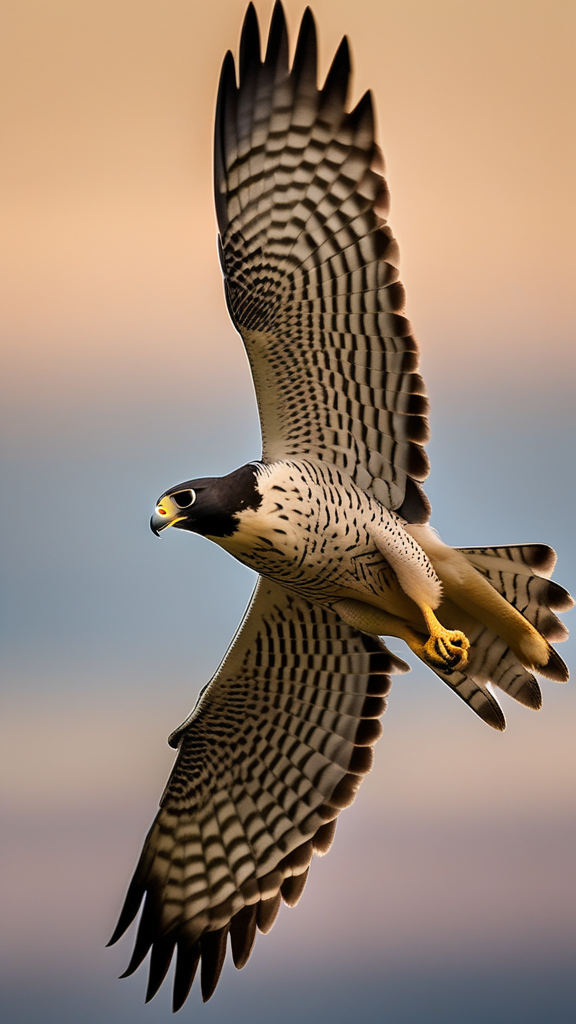
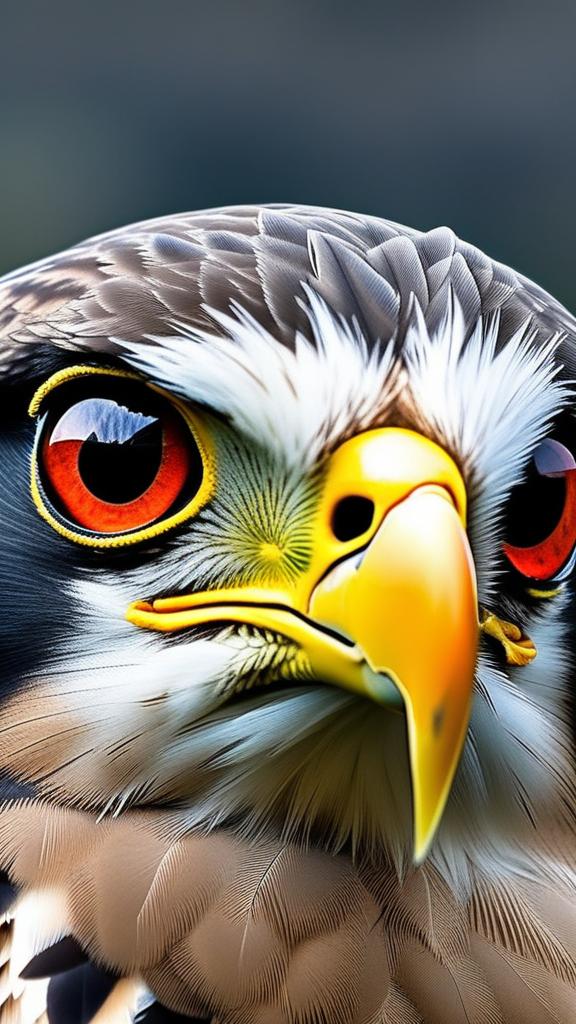
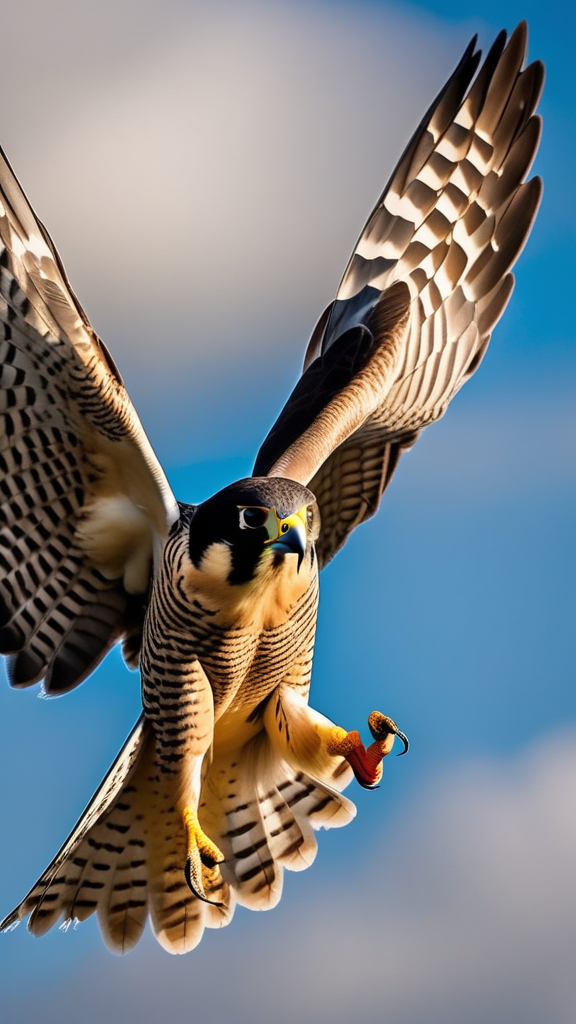
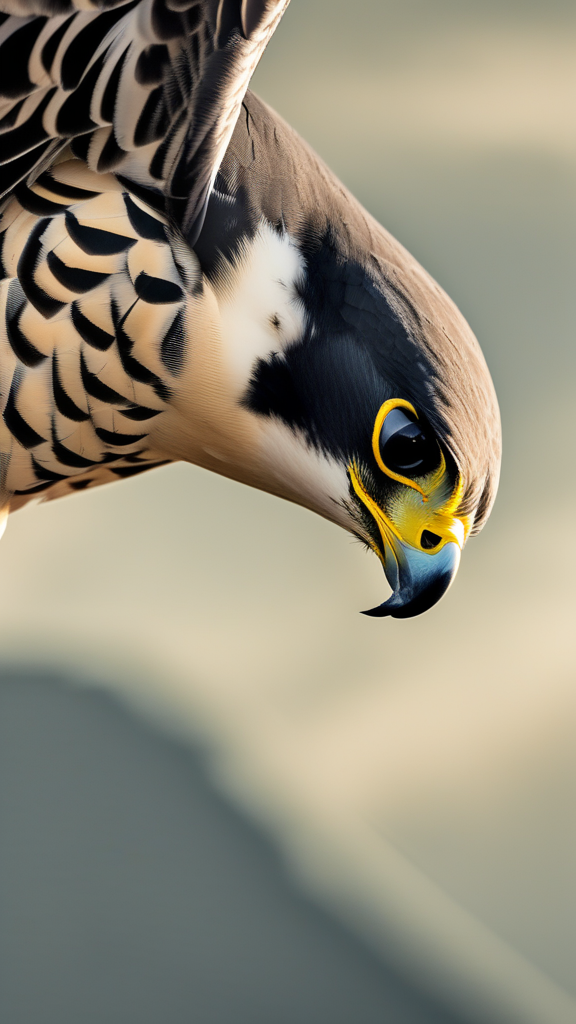
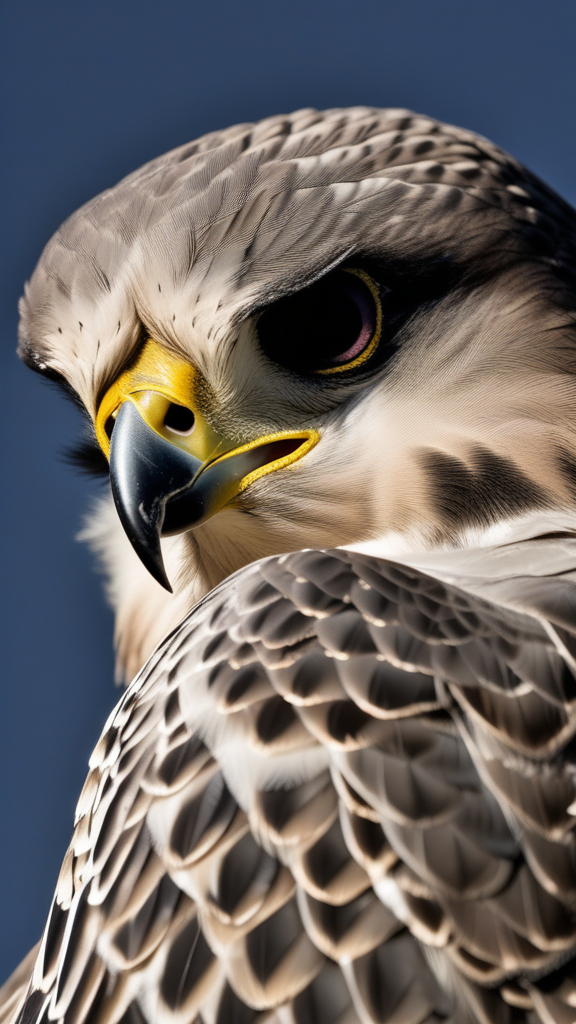
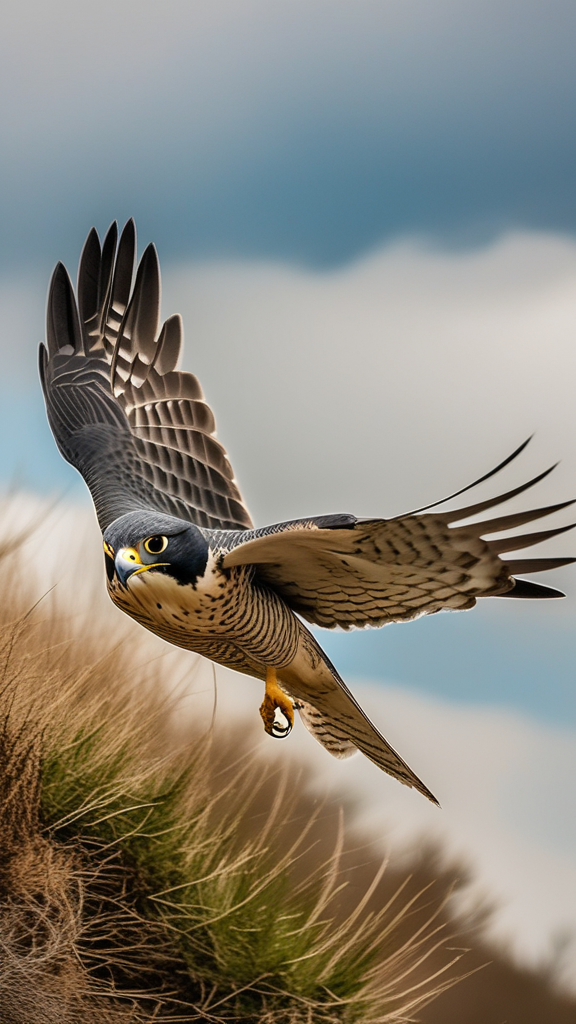
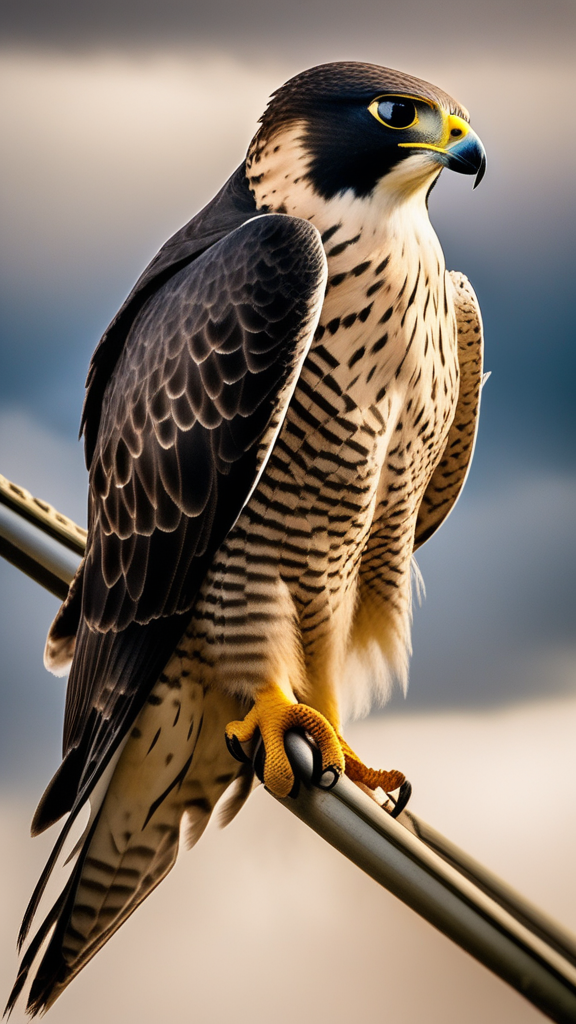
Most animals slow in freefall; the Peregrine Falcon (Falco peregrinus) accelerates. Before hunting, the raptor’s body and gaze lock on a distant target. Wings fan to 120 cm, slicing air into sheets that generate lift and precise roll and yaw. Torso tightens as the raptor collapses into a teardrop and the Peregrine Falcon stoop (hunting dive) begins. The dive surges to about 320 km/h as feathers flatten and wind ripples across the bird’s body. At the limit of air resistance, its shape cuts through turbulence that would destabilize most flyers. This extreme performance channels energy into a precise strike, unsafe for humans. Follow for one real science fact a day.
🎨 Images (8)
Image 1 Image 2 Image 3 Image 4 Image 5 Image 6 Image 7 Image 8
ℹ️ Details

Topic: Peregrine Falcon

Created: 2026-03-09 09:14:02

Confidence: 90%

Notes: [{"claim": "Most animals slow in freefall; the Peregrine Falcon (Falco peregrinus) accelerates", "explanation": "Most animals, including birds, reach a terminal velocity during freefall where acceleration ceases due to air resistance balancing gravitational force. Peregrine Falcons do not continuously accelerate during their stoop (high-speed dive); instead, they reach a high terminal velocity (up to about 90 m/s or 200 mph) and maintain it. The claim that the Peregrine Falcon accelerates throughout freefall is inaccurate. | Concerns: The statement may mislead viewers into thinking the Peregrine Falcon defies physics by accelerating continuously in freefall, ignoring the role of air resistance and terminal velocity. It also oversimplifies animal freefall dynamics, as most animals do not 'slow' in freefall but rather reach terminal velocity.", "confidence": 0.9}]

Why Peregrine Falcons Speed Up Falling

Pending Review

Duration: 45.46s

Category: Animals Extreme

Topic: Peregrine Falcon

Created: 2026-03-09 09:14:02

📝 Script

Most animals slow in freefall; the Peregrine Falcon (Falco peregrinus) accelerates. Before hunting, the raptor’s body and gaze lock on a distant target. Wings fan to 120 cm, slicing air into sheets that generate lift and precise roll and yaw. Torso tightens as the raptor collapses into a teardrop and the Peregrine Falcon stoop (hunting dive) begins. The dive surges to about 320 km/h as feathers flatten and wind ripples across the bird’s body. At the limit of air resistance, its shape cuts through turbulence that would destabilize most flyers. This extreme performance channels energy into a precise strike, unsafe for humans. Follow for one real science fact a day.

🔍 Fact Check

Status: Flagged for Review

[{"claim": "Most animals slow in freefall; the Peregrine Falcon (Falco peregrinus) accelerates", "explanation": "Most animals, including birds, reach a terminal velocity during freefall where acceleration ceases due to air resistance balancing gravitational force. Peregrine Falcons do not continuously accelerate during their stoop (high-speed dive); instead, they reach a high terminal velocity (up to about 90 m/s or 200 mph) and maintain it. The claim that the Peregrine Falcon accelerates throughout freefall is inaccurate. | Concerns: The statement may mislead viewers into thinking the Peregrine Falcon defies physics by accelerating continuously in freefall, ignoring the role of air resistance and terminal velocity. It also oversimplifies animal freefall dynamics, as most animals do not 'slow' in freefall but rather reach terminal velocity.", "confidence": 0.9}]

🎨 Generated Images (8)

📊 Confidence Score

90.0%