← Back Approved

← Back to Dashboard

Why Tardigrades Survive Space Radiation

47s Animals Extreme Verified
📝 Script
Human bodies collapse under intense radiation, but some creatures persist. Before survival, a transformation begins inside the tardigrade’s body. Milnesium tardigradum dehydrates, curling into a glassy husk as ionizing radiation washes through and leaves internal structures unchanged. Pinned to the FOTON-M3 (2007) spacecraft’s exterior, desiccated specimens endure a vacuum pulling on their bodies and surges of ultraviolet light. As pressure drops to nearly nothing, surfaces blister under UV, yet some tardigrades remain motionless and intact. These conditions, unsafe for humans, push biological endurance as the boundary between life and stasis tightens. Follow for one real science fact every day.
🎨 Images (1)
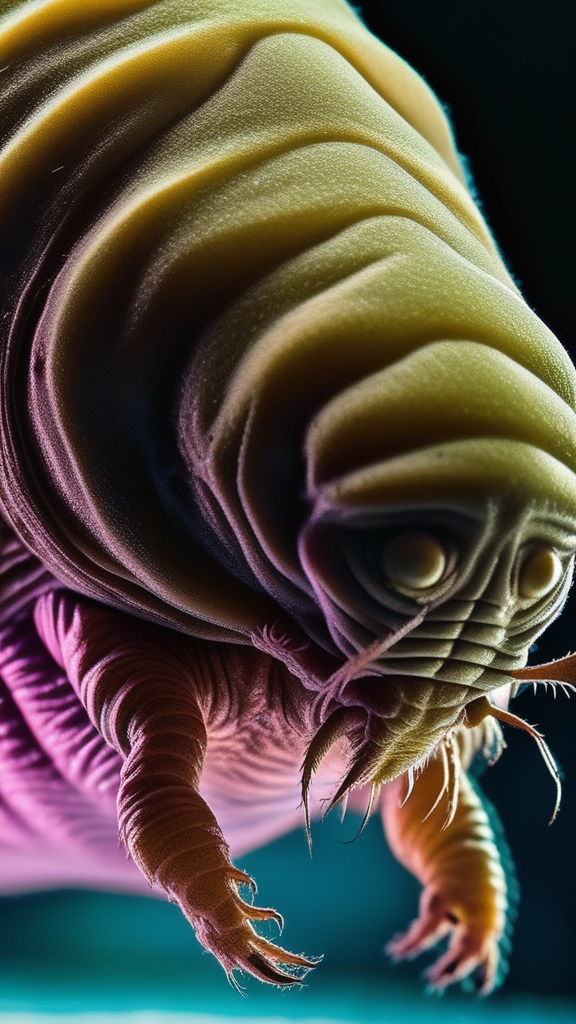
Image 1
ℹ️ Details

Topic: Tardigrade

Created: 2026-03-08 10:12:09

Confidence: 92%

YouTube: ✅ Uploaded - View Video

Uploaded at: 2026-03-08T04:00:05.960031

Notes: []

Why Tardigrades Survive Space Radiation

Approved

Duration: 46.73s

Category: Animals Extreme

Topic: Tardigrade

Created: 2026-03-08 10:12:09

YouTube: ✅ Uploaded - View Video

Uploaded at: 2026-03-08T04:00:05.960031

📝 Script

Human bodies collapse under intense radiation, but some creatures persist. Before survival, a transformation begins inside the tardigrade’s body. Milnesium tardigradum dehydrates, curling into a glassy husk as ionizing radiation washes through and leaves internal structures unchanged. Pinned to the FOTON-M3 (2007) spacecraft’s exterior, desiccated specimens endure a vacuum pulling on their bodies and surges of ultraviolet light. As pressure drops to nearly nothing, surfaces blister under UV, yet some tardigrades remain motionless and intact. These conditions, unsafe for humans, push biological endurance as the boundary between life and stasis tightens. Follow for one real science fact every day.

🔍 Fact Check

Status: Verified

[]

🎨 Generated Images (1)

📊 Confidence Score

92.5%