← Back Approved

← Back to Dashboard

Light Refraction Explained Simply

45s Everyday Physics Verified
📝 Script
A sudden shift in light’s path can cause unexpected consequences in optical systems. The bending of light starts the moment it crosses from one material into another with a different density. Snell's Law governs this bending, pulling the light’s angle tighter based on the materials’ refractive indices. As light surges into water at 20°C, it slows and forms a new path due to the refractive index of water being 1.333. This bending pulls focus points closer, affecting lenses and underwater vision by shifting where images form. When bending tightens past a physical limit, optical devices can fail or distort signals, impacting large-scale technologies. Follow for one real science fact every day.
🎨 Images (1)
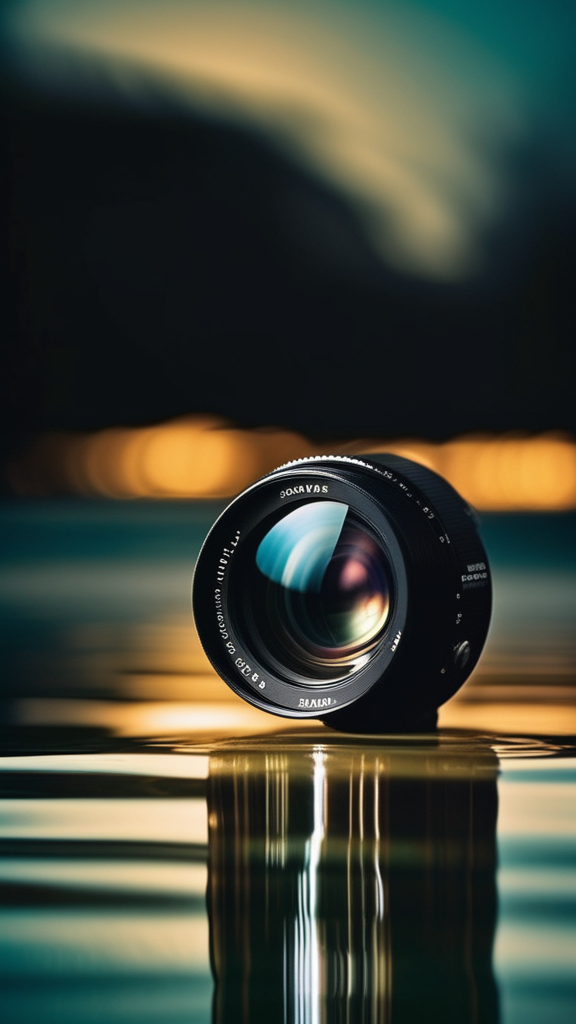
Image 1
ℹ️ Details

Topic: Light Refraction

Created: 2026-02-21 10:04:07

Confidence: 95%

YouTube: ✅ Uploaded - View Video

Uploaded at: 2026-02-21T03:00:06.100735

Notes: []

Light Refraction Explained Simply

Approved

Duration: 44.69s

Category: Everyday Physics

Topic: Light Refraction

Created: 2026-02-21 10:04:07

YouTube: ✅ Uploaded - View Video

Uploaded at: 2026-02-21T03:00:06.100735

📝 Script

A sudden shift in light’s path can cause unexpected consequences in optical systems. The bending of light starts the moment it crosses from one material into another with a different density. Snell's Law governs this bending, pulling the light’s angle tighter based on the materials’ refractive indices. As light surges into water at 20°C, it slows and forms a new path due to the refractive index of water being 1.333. This bending pulls focus points closer, affecting lenses and underwater vision by shifting where images form. When bending tightens past a physical limit, optical devices can fail or distort signals, impacting large-scale technologies. Follow for one real science fact every day.

🔍 Fact Check

Status: Verified

[]

🎨 Generated Images (1)

📊 Confidence Score

95.0%