← Back Rejected

← Back to Dashboard

Submarine Hull Implosion Explained

37s Tech Failures ⚠️ Flagged
📝 Script
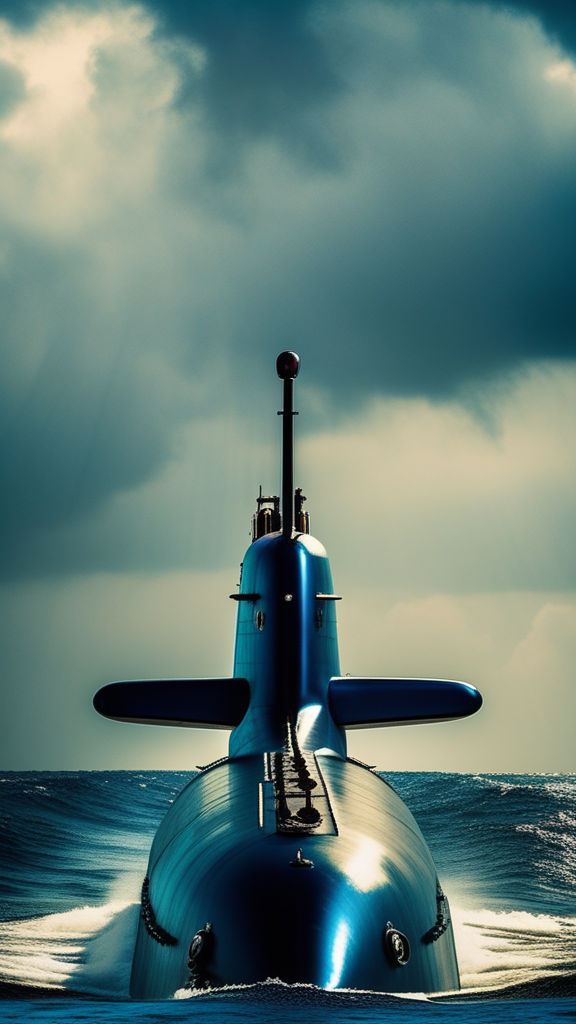
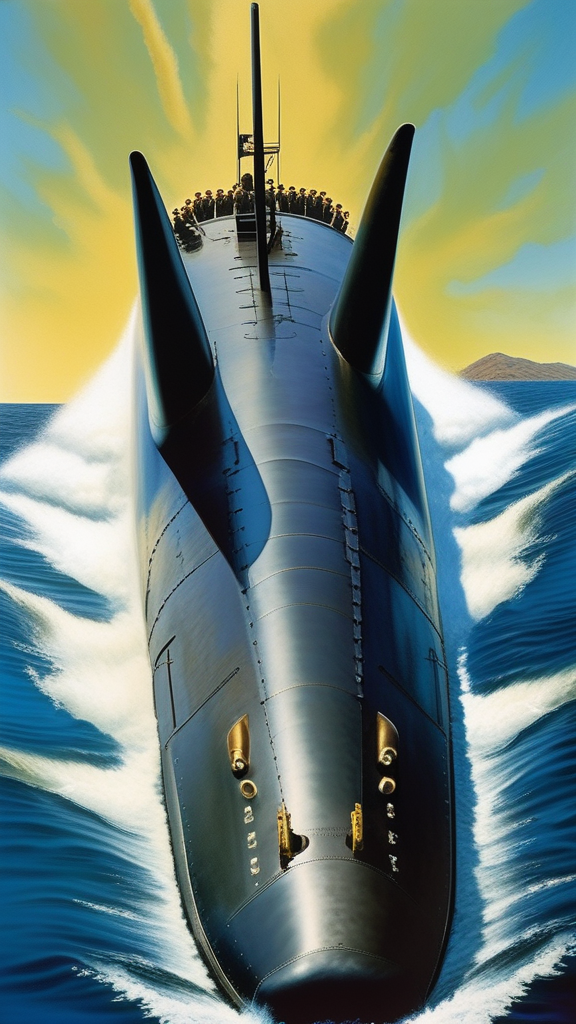
Pressure builds silently as a submarine descends into the deep ocean. The danger starts when external forces begin to overpower the hull's strength. Inside, the Kursk Submarine Implosion occurs as the hull suddenly collapses inward with a violent force. Similarly, the USS Thresher (SSN-593) hull buckles and fractures during deep-diving tests. Both implosions release enormous energy as the pressure barrier is explosively broken. At depths beyond 190 meters, pressure surpasses what submarine hulls can safely withstand. Follow for one real science fact every day.
🎨 Images (7)
Image 1 Image 2 Image 3 Image 4 Image 5 Image 6 Image 7
ℹ️ Details

Topic: Submarine Implosion

Created: 2026-02-18 10:08:15

Reviewed: 2026-02-19T11:36:18.999535

Confidence: 90%

Notes: [{"claim": "At depths beyond 190 meters, pressure surpasses what submarine hulls can safely withstand", "explanation": "The claim that pressure surpasses what submarine hulls can safely withstand beyond 190 meters is inaccurate as a general statement. Modern military and research submarines routinely operate at depths well beyond 190 meters, often exceeding 300 to 600 meters, with some specialized submarines reaching even greater depths. The crush depth varies by submarine design, materials, and purpose, but 190 meters is not a universal limit. While early or small submarines might have limited depth ratings near this range, stating a fixed depth of 190 meters as a universal safety limit is misleading. | Concerns: The claim could mislead viewers into thinking that all submarines are unsafe beyond 190 meters, ignoring the wide range of operational depths and technological advancements in hull design. It also lacks context about submarine type, hull materials, and design specifications, which are critical to understanding depth limits.", "confidence": 0.9}]

Submarine Hull Implosion Explained

Rejected

Duration: 37.37s

Category: Tech Failures

Topic: Submarine Implosion

Created: 2026-02-18 10:08:15

Reviewed: 2026-02-19T11:36:18.999535

📝 Script

Pressure builds silently as a submarine descends into the deep ocean. The danger starts when external forces begin to overpower the hull's strength. Inside, the Kursk Submarine Implosion occurs as the hull suddenly collapses inward with a violent force. Similarly, the USS Thresher (SSN-593) hull buckles and fractures during deep-diving tests. Both implosions release enormous energy as the pressure barrier is explosively broken. At depths beyond 190 meters, pressure surpasses what submarine hulls can safely withstand. Follow for one real science fact every day.

🔍 Fact Check

Status: Flagged for Review

[{"claim": "At depths beyond 190 meters, pressure surpasses what submarine hulls can safely withstand", "explanation": "The claim that pressure surpasses what submarine hulls can safely withstand beyond 190 meters is inaccurate as a general statement. Modern military and research submarines routinely operate at depths well beyond 190 meters, often exceeding 300 to 600 meters, with some specialized submarines reaching even greater depths. The crush depth varies by submarine design, materials, and purpose, but 190 meters is not a universal limit. While early or small submarines might have limited depth ratings near this range, stating a fixed depth of 190 meters as a universal safety limit is misleading. | Concerns: The claim could mislead viewers into thinking that all submarines are unsafe beyond 190 meters, ignoring the wide range of operational depths and technological advancements in hull design. It also lacks context about submarine type, hull materials, and design specifications, which are critical to understanding depth limits.", "confidence": 0.9}]

🎨 Generated Images (7)

📊 Confidence Score

90.0%